• Skip to main content
  • Home
  • Sign Up
  • Blog & Search
  • Privacy Policy
  • Affiliate Disclosure

WORK FROM YOUR LAPTOP

  • Start Here
    • Watch the Video Tutorial
    • FAQs
    • Start Your FREE TRAINING!
  • Blog
  • Meet Eric

Affiliate Marketing Strategies

May 26 2026

Why You Need to Stop Obsessing Over Analytics!

You’re building your new online business, and you want to see if your hard work is paying off. But if the very first thing you’re doing every single morning is spending an hour checking your traffic stats, we need to have a serious talk.

TL;DR: How Do I Stop Obsessing Over Website Analytics and Grow My Traffic?

To stop obsessing over analytics, shift your focus from tracking data to executing high-impact tasks like consistent content creation, updating old posts, and expanding targeted keyword research to build sustainable search traffic.

  • Ditch the Hourly Checks: Limit your analytics viewing to once a week or even once a month.
  • Feed the Engine: Spend 80% of your time writing fresh, valuable content for your audience.
  • Build the Guardrails: Stick to a strict publishing schedule so idle time doesn’t turn into stat-staring time.
  • Fix What You Have: Double down on internal links and content updates to score easy traffic wins.
🔍 Have ChatGPT Summarize This Article

What’s In This Article (Quick Jumps)

  • Why Over-Analyzing Your Traffic Matters Right Now
  • My Experience with the Analytics Addiction Trap
  • The 4-Pillar Core Strategy to Replace Stat-Staring
  • Common Pitfalls & What to Avoid
  • Your Next Step
  • Final Thoughts
  • Frequently Asked Questions

Why Over-Analyzing Your Traffic Hurts Your Business

Constantly checking analytics slows business growth because it wastes valuable time that should be spent on content production, schedule consistency, and search optimization. These are the only activities that actually drive new traffic.

We happen to find ourselves living in a time where we have more online business tools than ever before. But because of that, more than ever before, new online marketers find them checking the score every 5 minutes instead of playing the game.

If you can master your focus starting now, your upside will be massive. While everyone else is panicking over daily fluctuations, you’ll be building your library of content. Shift your focus away from the numbers and put it back into content creation.

That’s what the search engines love. Don’t get lost in paralysis by analysis!

Related article: The first step to successful content creation is choosing your niche. Check out my full guide on how to choose your niche as a micro influncer and start building on a strong foundation!


My Experience with the Analytics Addiction

Thankfully, I’m not an analytics guy. Never have been. But as an expert trainer at Wealthy Affiliate, I see the analytics addiction firsthand almost every single day. I feel like I’m constantly coaching my students, “Stop. Checking. Your Analytics!”

Look, I get it. It’s totally natural when you’re starting out to want to see results. But if you’re planting a garden and digging up the seeds every single morning to see if they’re growing roots yet, you’re gonna kill that plant. You have to water it, trust the process, and give it time to grow in the dark.

Having a relationship with Google Analytics is important. But as a new online marketer, you have to tell yourself that this new tool will be a huge asset later down the road. The time you’re spending watching the real-time tracker for your site would be much better spent creating content!

Remember:

  • Analysis comes from data.
  • The more data you provide via publishing great, new content, the better the analysis.
  • Checking your stats fifteen times a day doesn’t bring a single new person to your website. It steals the creative energy you should’ve been using to write your next big post.
  • You can spend a week obsessing over a 10% drop in traffic, meanwhile your competitors are publishing high-quality guides and stealing your future rankings.

The 4-Pillar Core Strategy to Replace Stat-Staring

Replacing an obsession with analytics means prioritizing raw content production, enforcing a strict publishing schedule, optimizing current content through internal linking, and focusing on high-intent search terms for future articles.

Let’s talk about 4 pillars to replacing your obsession with analytics that will massively help your business.

Pillar 1: Pure Content Creation (The Engine)

Your website runs on content, plain and simple. Every single article you publish is like throwing a hook in the water. And, guess what, the fish are BITING! You have to keep throwing hooks out there! This means writing high-value, helpful content that answers your target audience’s questions and pain points.

  • Action Item: If your addiction is deep, set a daily word count goal, even if it’s just 500 words, and don’t let yourself look at a single data chart until that writing is totally finished.
  • Pro Tip: Write your first drafts in a plain Google Doc or text editor with your web browser completely closed. This keeps you away from your site’s dashboard and stops you from tweaking old settings.

Pillar 2: Creating a Content Schedule (The Guardrail)

Idle time is the absolute biggest enemy of a new online marketer. When you finish a task and don’t know what to do next, your hand automatically moves to check your traffic stats or earnings. Creating a strict content calendar acts as your guardrail.

  • Action Item: Map out your next 30 days of content in advance. Write down the exact titles and keywords you intend to target, then assign a specific due date to every single one.
  • Pro Tip: Treat your publishing schedule like a job with a strict boss. If a post is due on Thursday at 9:00 AM, it goes live on Thursday at 9:00 AM, whether you feel like your traffic looks good that week or not.

Pillar 3: Internal Linking & Auditing (The Optimization)

If you absolutely need to spend time inside your website’s dashboard, don’t waste it looking at traffic graphs. Instead, use that energy to optimize what you’ve already built. Strategic internal linking helps search engines crawl your site much better and keeps readers on your pages longer.

  • Action Item: Go back to your top five most important articles and make sure they link out to your newer, smaller posts using relevant, descriptive anchor text.
  • Pro Tip: Most people forget to update their older posts, but spending just an hour a week refreshing outdated facts and fixing broken links can double your organic search rankings without writing a single new article.

Pillar 4: High-Intent Keyword Expansion (The Pipeline)

Instead of worrying about how many people visited your site yesterday, focus on how you’re going to attract buyers tomorrow. This means shifting your keyword research toward high-intent search terms. Think about the exact phrases people type in when they are ready to buy a product, solve a specific problem, or take action.

  • Action Item: Find 5 to 10 long-tail keywords that include specific action words like “best,” “how to fix,” or “vs”that are directly related to your niche.
  • Pro Tip: Don’t just target high-volume terms that everyone else is fighting over. Go after small, low-competition keywords with clear commercial intent and you’ll find traffic and conversions faster.

You don’t have to do this alone! There are great AI tools out there to use! Be direct and ask your AI tool of choice to help you out with each of these pillars and your jaw will drop at how awesome the suggestions are it throws back at you.

Trust me, your schedule will be full and time much better spent than staring at analytics.


Most Common Pitfalls When You’re Obsessed with Analytics

Avoiding analytics obsession means recognizing that daily data dips are usually normal noise, third-party SEO tools offer mere estimates, and ignoring old content or using shady traffic shortcuts will ruin a brand.

Let’s talk about the most common hurdles you’ll find when you’re obsessing over analytics.

  • Panicking Over Daily Traffic Dips: Traffic naturally goes up and down based on the day of the week, holidays, and even the weather.
    • The Workaround: Only view your traffic data using a 30-day moving average to see the real trend line instead of daily drama.
  • Trusting Third-Party Tools Blindly: Software tools like Ahrefs or Semrush show estimates, not your actual traffic. Obsessing over their metrics can make you change things that aren’t even broken.
    • The Workaround: Use Google Search Console as your source of truth, and treat third-party scores as rough guides, not absolute facts.
  • Ignoring the Content You Already Built: It’s easy to get so focused on the future that you let your older pages decay and lose their spots in search results.
    • The Workaround: Set a hard rule that for every three new articles you publish, you must spend time auditing and improving one old post.
  • Buying Fake or Cheap Traffic Fixes: When stats look low, gurus will try to sell you sketchy traffic bots or weird click packages to boost your numbers. This is a total scam that will get your site banned.
    • The Workaround: Focus strictly on organic traffic methods. If a strategy sounds like a shortcut or a “gray hat” trick, stay away from it. We’re building a long-term asset here.
  • Changing Your SEO Strategy Every Single Week: If you try a new tactic and change it four days later because your stats didn’t jump, you’ll never see what actually works. SEO takes months to show results.
    • The Workaround: Pick a proven content strategy and commit to it for at least 90 days before you allow yourself to judge the results.

Work From Your Laptop YouTube Subscribe

Your Next Steps

Now that you know why checking your stats is holding you back, it’s time to take action. The very first thing you need to do right now is close your analytics tabs.

Go ahead.
I’ll wait.

If you have an analytics app on your phone, delete it right now. Give yourself permission to step away so you can finally get back to building your business.

Tomorrow morning, when you sit down at your computer, your only goal is to open up your calendar and plan your next week of articles. Don’t look at who came to your site yesterday. Focus entirely on who’s going to find your site next month because of the hard work you’re putting in today.

A Wealthy Affiliate member asked me, “But Eric, I check Google Search Console to find keyword queries so I can plan my upcoming articles and clicks and impressions are on that same page!”

Wealthy Affiliate member comment

Then don’t check GSC daily! Write down your keyword queries every couple of weeks and stop putting hurdles in front of yourself if you have an analytics obsession!

As you start filling up your content schedule and pushing out helpful updates, you’re going to notice something amazing. Your mind will feel clearer, your writing will get better, and you’ll feel a massive weight lifted off your shoulders.

This is what building a business is all about! Yes, analytics are very helpful, but you need 25-30 articles complete before you start checking for trends. Check in once a month and be done. Once you start getting traffic and conversions you can double down on what works.

That’s when analytics comes in to save the day.
For now, create the data! Publish that content!
You got this!

🎯 Looking for a methodical system that will force you to focus, make you stick to a schedule, and absolutely explode your content creation and traffic? Check out my 0-10K Traffic Blueprint here. Note: this is only for those serious about online business!


Final Thoughts

Stop letting a spreadsheet run your life. Your real value as a creator comes from the helpful content you put out into the world, not the number of times you hit the refresh button. Put those hooks in the water! Create that content!

What do you think?

  • How many times a day do you catch yourself checking your traffic or earnings?
  • Which of the 4 pillars are you going to focus on this afternoon to break the habit?
  • Let me know in the comments below!
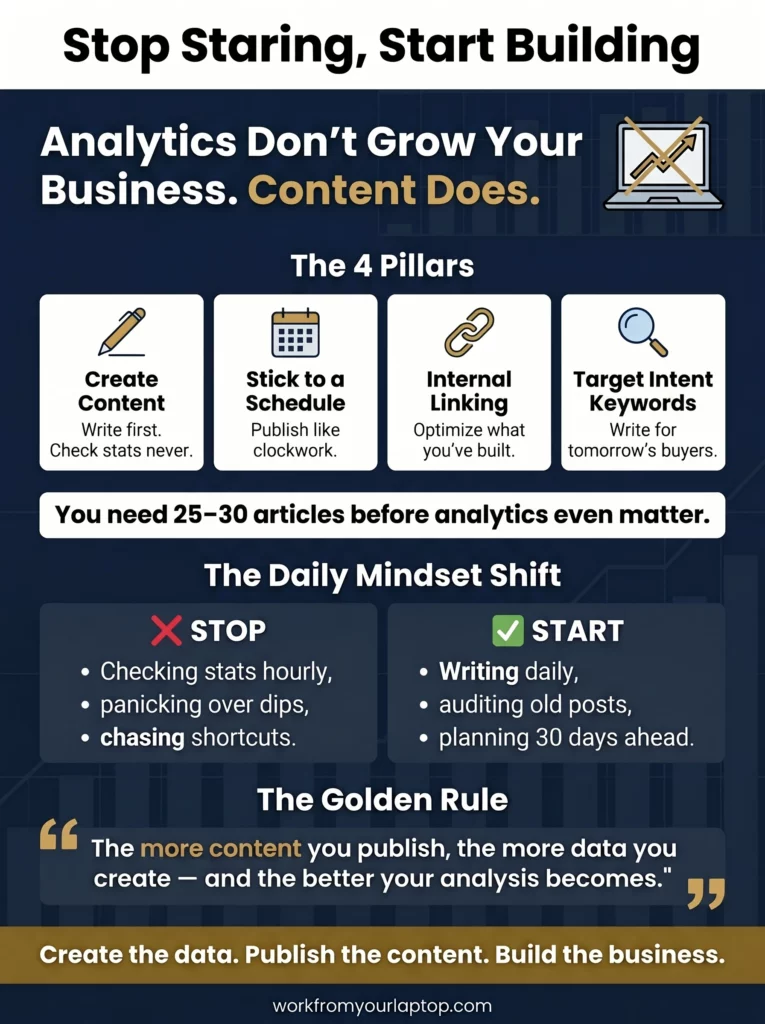
Why You Need to Stop Obsessing Over Analytics Infographic

Trying to make money online and still not seeing results? Create your FREE STARTER ACCOUNT with the same straightforward training I’ve used to create full time revenue online. No matter your experience, this step by step training delivers! Click here and get started NOW!


Frequently Asked Questions

How often should I check my website analytics?
You should check your analytics once a week at most. A monthly deep dive is even better for spotting real trends without getting distracted by daily traffic ups and downs.

Will my traffic drop if I stop monitoring it daily?
No, your traffic will not drop. Monitoring data has no effect on search algorithms. Spending that time creating high-quality content and fixing internal links will actually cause your traffic to increase.

What is the best metric to look at when I do check my data?
Focus on impressions and organic click-through rates in Google Search Console over a 3-month period. This shows you if your content pipeline is growing and if searchers find your titles helpful.


Want More Affiliate Marketing Strategies?

Don’t stop your momentum now! Check out these related articles and let me know which strategies are helping you out the most!

  • How to Drive Traffic to Your Affiliate LInks
    5 Smart Ways to Drive Traffic to Your Affiliate Links in 2026
  • Why Affiliate Marketing Isn't a Pyramid Scheme
    4 Reasons Why Affiliate Marketing Isn’t a Pyramid Scheme

  • Done For You Businesses Scam Legit
    Are Done For You Online Business Opportunities Legit? (2026 Update)

  • Online Coaching Business Scams Exposed
    11 Online Business Coaching Scams Exposed & How to Avoid Them (2026 Update)

  • Is Affiliate Marketing Still Worth It in 2026?

    Is Affiliate Marketing Still Worth It in 2026?
  • Why You Need to Stop Obsessing Over Analytics
    Why You Need to Stop Obsessing Over Analytics!

Written by Eric Cantu · Categorized: Affiliate Marketing Strategies

Apr 08 2026

Best Affiliate Marketing Programs for Beginners in 2026

Best Affiliate Programs for Beginners 2026

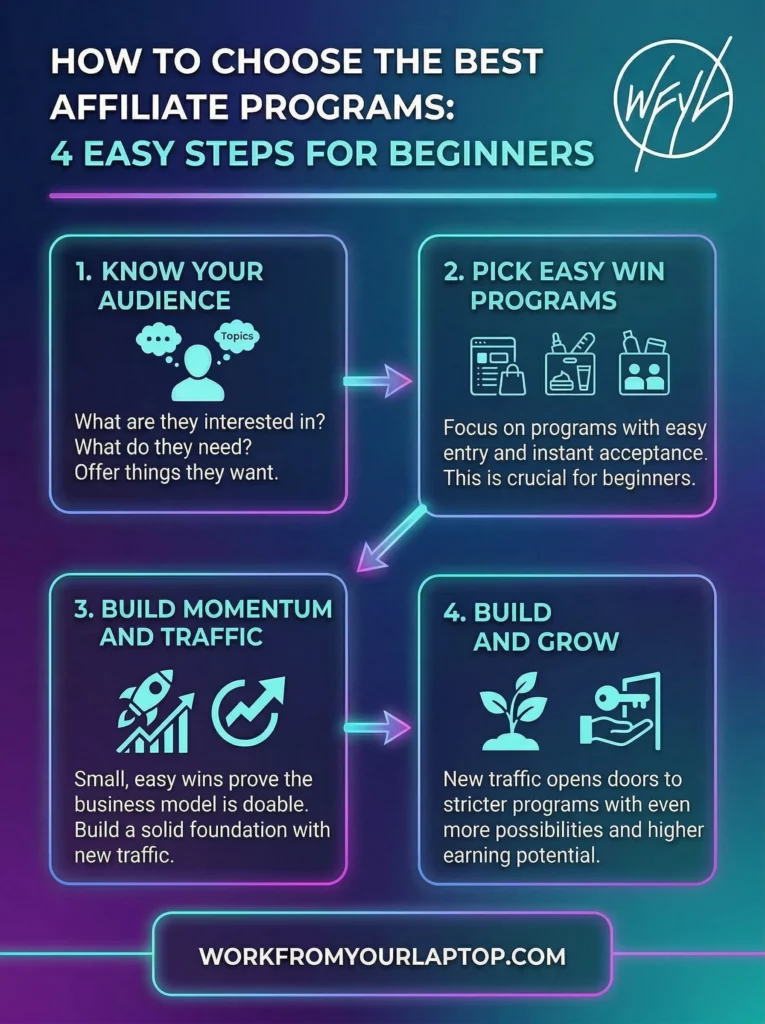
Choosing your first program isn’t about landing the highest commission, it’s about finding the lowest barrier to entry so you can get that first “win” and prove this business works. Let’s take a look at the best affiliate programs for new affiliate marketers in 2026 and get you on that fast track to reaching your goals.

TL;DR: What’s the Best Affiliate Program for Beginners in 2026?

For beginners, the best programs offer “Instant Approval” or low entry requirements, a massive recognizable product catalog, and a “Generalist” cookie that pays you for anything the customer buys.

  • Low Barrier to Entry: Prioritize networks like Amazon or ShareASale that don’t require massive traffic to join.
  • Brand Recognition: Promote household names (Walmart, Etsy, eBay) to leverage existing consumer trust.
  • The “Basket” Rule: Choose programs that give you credit for the entire shopping cart, not just the one item you linked.
  • Ease of Use: Stick to platforms with simple “Deep Link” generators so you aren’t fighting with the tech.
🔍 Have ChatGPT Summarize This Article

What’s In This Article? (Quick Jumps)

  • Why Choosing the Right Program Matters Right Now
  • My Personal Experience with Choosing Affiliate Programs
  • Step by Step Breakdown: 5 Best Low-Barrier Programs for Beginners
  • Common Pitfalls & What to Avoid
  • Your Next Step
  • Final Thoughts
  • Frequently Asked Questions

Why Choosing the Right Program Matters Right Now

In 2026, the wrong affiliate program won’t just cost you money, it will cost you your domain authority and audience trust because AI-driven search algorithms now prioritize “Creator-Merchant Alignment” as a core ranking signal.

If you pick an affiliate program that’s hard to use or has a low conversion rate, you’ll burn out way before you see a dime. The upside of picking a beginner-friendly program is something called the “Velocity of Income”.

This means that getting small wins quickly helps build the data you need to eventually scale into those complex, high-paying niches. You gotta learn what works first. And getting accepted quickly into a user-friendly affiliate program helps you big time.

If you ignore this and go straight for the “Expert” programs, you’re shooting yourself in the foot. Prepare for rejection and a ghost town dashboard with little to no clicks.


My Personal Experience with Choosing Affiliate Programs

Let me start with this: I was lucky. When I got started back in 2017 the very first affiliate program I joined wasn’t one that judged my traffic first before allowing me in.

Like most beginners with a brand new site, I had zero traffic and was still just trying to figure things out. Thankfully, my YouTube channel was getting organic engagement and I felt like I at least had a pathway to finding my audience.

If you follow my content you know that I owe my success to the training Wealthy Affiliate. And, in my opinion, they have the absolute best affiliate program you can find online. Free to join, the service is legit, and there are tons of people searching for it.

By connecting people like me with the same training that was working for me and helping me learn I was able to find my momentum, find my audience, earn some easy wins, get commissions, and have the confidence to build out my site and push full steam ahead.

Next, I used that momentum to build traffic and get accepted into those “intermediate” affiliate programs that don’t just accept anybody. I was finally in the club and I had the tools necessary to make this thing work.

Let’s show you the best affiliate programs you can jump into as a beginner and why they’re going to be a good fit for you as you get your start.

Related Article: Check out my guide on “Why Most 9-5ers Fail at Affiliate Marketing.” Start your business right and avoid these common pitfalls!


Step-by-Step Breakdown: 5 Best Low-Barrier Programs for Beginners

The beginner strategy for 2026 relies on “Trust-Proxy Marketing,” where you leverage the massive established reputation of global retailers to bypass the skepticism of a new audience.

1. Amazon Associates

Website: https://affiliate-program.amazon.com

The undisputed heavyweight for beginners. Zero entry barriers, and every it works with every single niche.

  • The Ease Factor: They approve almost everyone instantly for a 180-day trial period. You just need to make 3 sales to stay in. And even if you don’t get your 3 sales, you can jump right back in and start over.
  • Why it works: Massive trust factor. Everyone already has an Amazon account You also not only get paid for whatever product you promoted, but everything they add to their cart for 24 hours.
  • Pro Tip: Use the “SiteStrip” tool at the top of the Amazon homepage to grab links in seconds. Don’t overthink it, just help people find the best version of what they’re already looking for.

2. Walmart Creator

Website: https://creator.walmart.com

Walmart has aggressively revamped its program to compete with Amazon, offering better “Influencer” tools for 2026.

  • The Ease Factor: Very high acceptance rate for creators who have even a small social media presence.
  • Why it works: Huge physical footprint and major trust factor. People trust Walmart for groceries, home goods, and electronics. Their “Store Pickup” feature often leads to higher conversion rates for local shoppers.
  • Pro Tip: Focus on “Stock-Up” or “Budget” hauls. Walmart shoppers are looking for value, so highlight the price-matching or “Rollback” deals.

3. ShareASale (Now Awin Network)

Website: https://awin.com

This is a “Network,” meaning once you’re in, you have access to thousands of smaller brands in every niche imaginable.

  • The Ease Factor: ShareASale is known for being “anti-snob.” They welcome new affiliates and have an interface that is functional and straightforward.
  • Why it works: You can find “Direct-to-Consumer” (DTC) brands that offer higher commissions (10-20%) than the big retailers but still have high-quality products. This is the first of the “big” affiliate networks you can learn your way with.
  • Pro Tip: Look for “Auto-Deposit” merchants. These are brands that have pre-funded their accounts, ensuring you get paid exactly on time every month.

4. Etsy Affiliate Program

Website: https://www.etsy.com/affiliates

Perfect for those in the lifestyle, home decor, or gift niches.

  • The Ease Factor: They use the Awin platform, which is very beginner-friendly. They love bloggers and Pinterest creators.
  • Why it works: You are promoting unique, handmade items that aren’t “commodities.” This allows you to write more passionate, story-driven content that converts better.
  • Pro Tip: Create “Gift Guides” for specific, obscure holidays or personality types. “Gifts for 2026 Tech-Minimalists” will perform better than a generic “Best Gifts” list.

5. Wealthy Affiliate

Website: https://wealthyaffiliate.com

This is the only one out of the list that is a true training platform as well. You get trained on how affiliate marketing works, and can jump instantly into its optional affiliate program that accepts you immediately. Plus, by going through my link above you get me as your support coach.

  • The Ease Factor: Once you’re a member you can join instantly. Even free starters can take part at a lower commission rate.
  • Why it works: With so many people looking to make money online, connecting them with a straightforward and affordable training program that isn’t filled with upsells or ridiculous “gurus” is an easy sell.
  • Wow Factor: Instead of 4-5% commissions you’ll be earning close to 50% commissions. AND these commissions are recurring monthly. Massive win.
  • Pro Tip: Don’t try to “sell” Wealthy Affiliate. Share its value, share why it’s worked for you, take the pressure off. Remember that Wealthy Affiliate teaches affiliate marketing in all niches. People joining never have to promote it if they don’t want to. Let its value sell itself.

Read my full Wealthy Affiliate review here. Best business decision I ever made.

Honorable Mention: Skool

Website: https://skool.com

While there are tons of great individual product affiliate programs you can join quickly and easily to promote a specific product in your niche, one honorable mention to this list has to be Skool.

Skool is like a living, breathing hub of communities for creators and students to learn, teach, and engage. Their affiliate program is free to join and you can get commissions for both referring creators and students.

Check out my Skool review for content creators here.
Check out my Skool review for students here.

Work From Your Laptop YouTube Subscribe

Common Pitfalls & What to Avoid

Beginner affiliates in 2026 often fail by “Over-Engineering” their tech stack instead of focusing on “Affinity Matching,” resulting in high traffic but zero conversions.

  • The “Application Ghosting”: Applying to 50 programs at once and getting rejected by all because your site looks empty.
    • Workaround: Build 5-10 solid pieces of content before you apply. Show them you’re a professional.
  • The “Amazon Link Only” Mistake: Using only raw Amazon links that look “spammy.”
    • Workaround: Use a link shortener or “Cloaking” tool like Pretty Links to make your links look branded and clean.
  • Ignoring the “Cookie Window”: Promoting a product with a 24-hour cookie when the buyer usually takes a week to decide.
    • Workaround: Match the product to the window. Low-cost items (Amazon) are fine for short cookies. Big-ticket items (Best Buy) need longer windows.
  • Setting the Threshold Too High: Joining programs that won’t pay you until you hit $500 in commissions.
    • Workaround: Stick to programs with $20-$50 payout thresholds so you actually see the money in your bank account sooner.
  • The “One-Basket” Strategy: Relying 100% on one program (like Amazon).
    • Workaround: Always have a “Backup” program. If Amazon is out of stock, have a Walmart or eBay link ready to swap in.

Your Next Step

Now that you’ve got a list of programs that will actually let you in, it’s time to learn your craft. Are you going to build a niche website to find your audience? Are you going to do this without building a website? Are you going to venture into YouTube?

When you learn how to connect with your audience by delivering real value to solve their pain points, it’s just a matter of time before you traffic, revenue, and conversions take off.


Final Thoughts

The “Best” program is simply the one that accepts you for who you are and pays you. Don’t get paralyzed by the options, pick Amazon or ShareASale or both, get your first click, and start the engine.

What do you think? What hurdles have you come across while applying to affiliate programs? Do you have an empty website with no traffic? Have you been accepted but now you don’t know how to get those first conversions?

Hit me up with your comments and questions down below! I love hearing from you and I always reply.

best affiliate programs for beginners infographic

Trying to make money online and still not seeing results? Create your FREE STARTER ACCOUNT with the same straightforward training I’ve used to create full time revenue online. No matter your experience, this step by step training delivers! Click here and get started NOW!


Frequently Asked Questions

Which affiliate program is easiest to get into? Amazon Associates is widely considered the easiest for pure beginners. They have high acceptance rates and don’t require a massive existing audience, making them the perfect “starting block” for new creators.

How do I get approved if I don’t have a website? Many programs, including the “Walmart Creator” and “Amazon Influencer” programs, now allow you to apply using your social media profiles (Instagram, TikTok, or YouTube) as your primary platform.

Is ShareASale better than Amazon for beginners? It depends on your niche. Amazon is easier for “impulse buys,” but ShareASale offers higher commission percentages (often 10%+) and a much longer cookie duration (often 30 days vs Amazon’s 24 hours).


Want More Affiliate Marketing Strategies?

You’re just getting started! Let’s show you how to build and grow!

  • How to Drive Traffic to Your Affiliate LInks
    5 Smart Ways to Drive Traffic to Your Affiliate Links in 2026
  • Why Affiliate Marketing Isn't a Pyramid Scheme
    4 Reasons Why Affiliate Marketing Isn’t a Pyramid Scheme
  • Done For You Businesses Scam Legit
    Are Done For You Online Business Opportunities Legit? (2026 Update)
  • Online Coaching Business Scams Exposed
    11 Online Business Coaching Scams Exposed & How to Avoid Them (2026 Update)
  • Is Affiliate Marketing Still Worth It in 2026?
    Is Affiliate Marketing Still Worth It in 2026?
  • Why You Need to Stop Obsessing Over Analytics
    Why You Need to Stop Obsessing Over Analytics!
Written by Eric Cantu · Categorized: Affiliate Marketing Strategies

Apr 07 2026

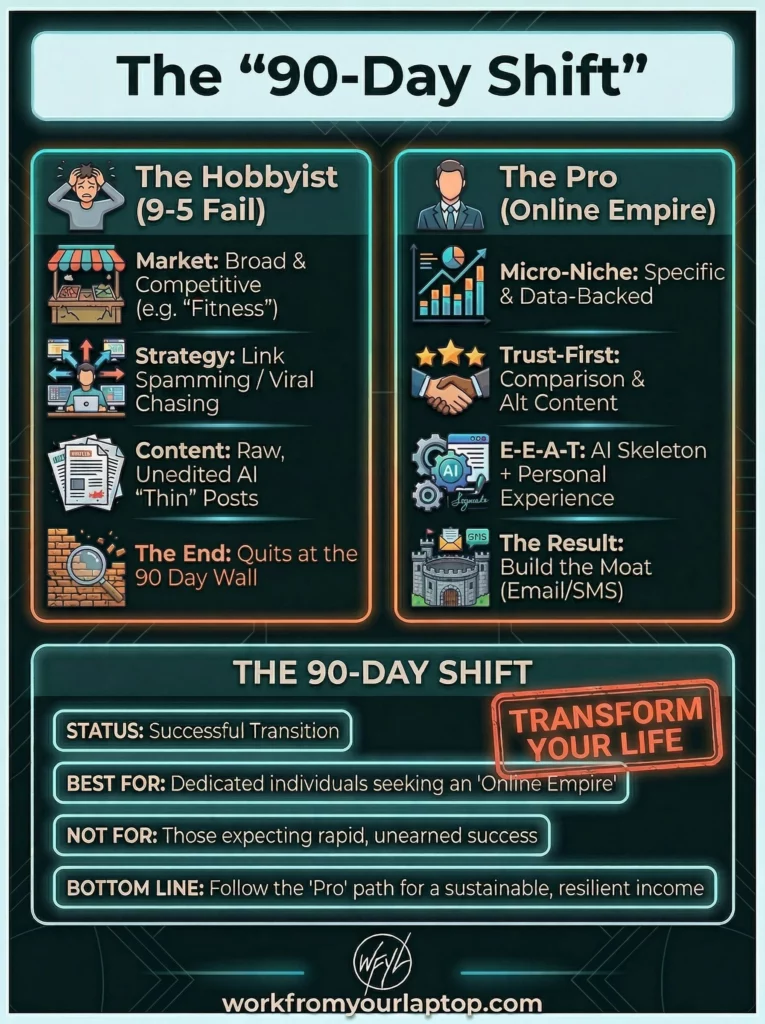
Why Most 9-5ers Fail at Affiliate Marketing in Their First 90 Days

Why Most 9-5ers Fail at Affiliate Marketing

Working your 9-5 while trying to build your online empire can feel like trying to change a tire while the car is still moving. You’re already exhausted from work, your “free time” is nonexistent, and every “guru” on TikTok makes it look like you’re just one lucky link away from a beach in Bali.

Most people quit before they even see a dime because they’re fighting a 2026 battle with a 2010 playbook. Let’s dive into this.

TL;DR Why Do Most 9-5ers Fail at Affiliate Marketing?

Most 9-5ers fail at affiliate marketing within 90 days because they treat it as a “get-rich-quick” side hustle rather than a professional business, leading to unrealistic expectations, inconsistent content production, and a total lack of strategic audience trust.

  • The 90-Day Wall: Expecting “passive income” before the search engines even trust your domain.
  • The “Link Spam” Trap: Thinking traffic is the problem when the real issue is a lack of helpful, conversion-focused communication.
  • Niche Overload: Attempting to compete in broad markets like “Fitness” or “Finance” without a specific, data-backed micro-niche.
  • The Consistency Gap: Letting the “day job fatigue” kill your content schedule during the critical validation phase.
🔍 Have ChatGPT Summarize This Article

What’s In This Article? (Quick Jumps)

  • Why This Topic Matters Right Now
  • My Experience Starting Out
  • The Core Strategy: Surviving the First 90 Days
  • Common Pitfalls and What to Avoid
  • Your Next Step
  • Final Thoughts
  • Frequently Asked Questions

Why This Topic Matters Right Now

In 2026, affiliate marketing has shifted to a trust-based authority model, where AI-driven search and social commerce demand high-quality, original perspectives over generic link-sharing.

The one constant in affiliate marketing is change. Sure, getting started is easy enough, but the road to real money can quickly start to feel like it’s guarded by armed AI algorithms that quickly shoot down anything resembling thin, unoriginal content.

If you can understand how to make this work now, this business will pay for you for decades. But if you can’t adapt, you’ll be completely wasting those few precious after-work hours you have.


My Experience Starting Out

I’m a Captain in the fire department. Building an online business was something I had never done before. It’s not exactly a “next, natural step”. And when I got started back in 2017, there were way too many “gurus” preaching unrealistic promises of revenue and done for you systems all over my social media.

That hasn’t changed. And because of it, way too many people treat affiliate marketing like a hobby that can just explode overnight without real effort. You can’t just post a few links after a long shift, see no sales, and then say “the system is broken.”

This is where discipline, consistency, and attacking with the right strategy comes into play.

You don’t put out a structure fire by spraying water at the smoke. You have to find the seat of the fire. In affiliate marketing, the “smoke” is your lack of sales. The “seat” is your lack of authority and trust. If you don’t hit the source, the house stays on fire.

This means you need to build your authority and trust if you want to affect those sales.


The Core Strategy: Surviving the First 90 Days

Success in the first 90 days of affiliate marketing requires a transition from “broadcasting” to “solving,” utilizing micro-niche selection, AI-assisted (but human-led) content, and a focus on building a resilient email list over chasing viral traffic.

1. Identify Your “Micro-Niche”

Instead of jumping into a broad niche like “Weight Loss.”, get specialized and attack something like “Kettlebell routines for busy parents over 40.” This is your opportunity to build authority in a micro-niche where real people are asking very specific questions and can arrive at your website to find exactly what they’re looking for.

  • Action Item: Use a keyword tool to find “Zero-Volume” keywords: questions people are asking that haven’t been answered by a 2,000-word skyscraper post yet.

Pro Tip: Never pick a niche based on commission rates alone. It’s the equivalent of selling out your audience. Choose a niche you actually have real interest in. If you can’t talk about the niche for 15 minutes you’ll burn out by day 30.

2. The “Trust-First” Content Framework

In the first 90 days, your goal isn’t to sell; it’s to deliver value.

  • Action Item: Create “Comparison” and “Alternative” content. People searching for “Product A vs. Product B” are at the perfect spot of the funnel where they’re ready to buy.
  • Action Item: Ensure every piece of content answers at least three “Real World” objections found on Reddit or Quora. Don’t know what people in your niche are talking about? Get on the forums and find out!

3. Build a “Moat” (Email & SMS)

Platforms change. Algorithms completely implode. Your list is the only thing you truly own.

  • Action Item: Offer a “Lead Magnet” that solves a specific problem in under 5 minutes and add your reader to your email marketing campaign. Now you own this relationship.
  • Pro Tip: Most people wait until they have traffic to start a list. Start your list on day one. Even if you only have 5 subscribers, those are 5 people who actually want to hear from you.

Common Pitfalls & “What to Avoid”

The primary pitfalls for new affiliate marketers include chasing “shiny object” trends, over-relying on automated AI content without editing, and failing to account for the 6-12 month lag time inherent in SEO and brand authority building.

  • The “Check the Stats” Obsession: Checking your dashboard every hour.
    • The Workaround: Set a “Data Day” once a week. Spend the other 6 days focused purely on production. It’s like checking the scale every hour at the gym when your time is much better spent working out.
  • Using Unedited AI Content: Google’s “Helpful Content” updates can smell raw AI from a mile away.
    • The Workaround: Use AI for the skeleton, but use your own personal Experience (the “E” in E-E-A-T) to add the meat. Everyone and their mom can see raw AI a mile away.
  • Ignoring Mobile Optimization: Over 65% of your clicks will come from a phone.
    • The Workaround: Always double check your pages on your own phone when you publish. It’s a different experience on a smaller screen. Make sure your mobile experience is working for you.
  • Promoting “Garbage” for High Commissions: One bad recommendation kills a year of trust.
    • The Workaround: Only promote products you’ve used or have researched extensively. Be the “Anti-Guru.” Never promote something you wouldn’t recommend to a close family member. Check out my full guide on Best Affiliate Programs for Beginners and nip this right in the bud with programs that you can join instantly!
  • Lack of Multi-Touch Attribution: Thinking the first click is the only one that matters.
    • The Workaround: Use “bridge pages” to track how your audience actually moves through your funnel.
Work From Your Laptop YouTube Subscribe

Your Next Step

Surviving the first 90 days is just like “Academy” phase in firefighting. It’s just the beginning of a long career. To actually start scaling, you need to understand how to turn that small trickle of traffic into a stream, and then into a flood.

If you’re serious about moving past the “hope and pray” stage, you need to read my deep dive on choosing your niche. It’s the first step to finding your success and it has nothing to do with trying to find an untapped niche with high commissions.


Final Thoughts

Success isn’t about working more hours; it’s about making your limited “laptop hours” count. Stop looking for shortcuts and start building a library of answers to your audience’s biggest frustrations.

What do you think? What’s the one thing keeping you from being consistent with your content this week? Is it time, tech, or just not knowing where to start? Have some questions for me? Don’t be shy! Ask away in the comments section below and I’ll be happy to work it out.

Why Most 9-5ers Fail at Affiliate Marketing infographic

Trying to make money online and still not seeing results? Create your FREE STARTER ACCOUNT with the same straightforward training I’ve used to create full time revenue online. No matter your experience, this step by step training delivers! Click here and get started NOW!


Frequently Asked Questions

How long does it really take to make money with affiliate marketing?
Typically, expect 6 to 12 months for “meaningful” income. The first 90 days are for building the foundation – indexing, trust, and habits.

Do I need a website to start?
While social commerce is huge in 2026, a website is your “digital real estate.” Without it, you’re just a tenant on Mark Zuckerberg’s or TikTok’s land.

Is affiliate marketing “saturated”?
Low-quality affiliate marketing is saturated. High-quality, expert-led recommendation engines are more in demand than ever as consumers flee “AI-slop” and search for real human reviews.


Want More Affiliate Marketing Strategies?

Don’t stop your momentum now! Dive into the related content below!

  • How to Drive Traffic to Your Affiliate LInks
    5 Smart Ways to Drive Traffic to Your Affiliate Links in 2026
  • Why Affiliate Marketing Isn't a Pyramid Scheme
    4 Reasons Why Affiliate Marketing Isn’t a Pyramid Scheme
  • Done For You Businesses Scam Legit
    Are Done For You Online Business Opportunities Legit? (2026 Update)
  • Online Coaching Business Scams Exposed
    11 Online Business Coaching Scams Exposed & How to Avoid Them (2026 Update)
  • Is Affiliate Marketing Still Worth It in 2026?
    Is Affiliate Marketing Still Worth It in 2026?
  • Why You Need to Stop Obsessing Over Analytics
    Why You Need to Stop Obsessing Over Analytics!

Written by Eric Cantu · Categorized: Affiliate Marketing Strategies

Dec 10 2025

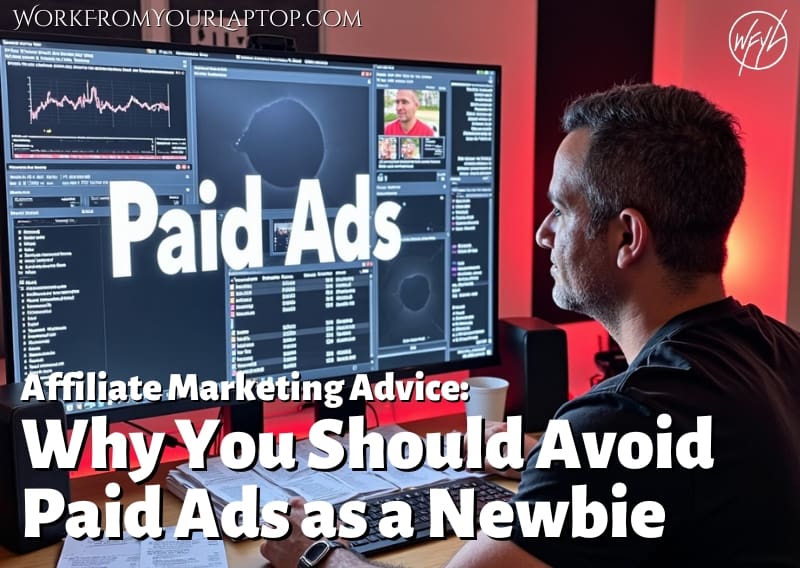
Why You Should Avoid Paid Ads as a Beginner

why you should avoid paid ads as a beginner

You just signed up for an affiliate program and picked a product you like. Then some online guru says, “Use my full proof, done for you ads to make money quick!” Sounds great, right?

Hang on a second.

Paid ads can work, but if you don’t know what actually gets people to buy, you’ll quickly waste your money, and fast. Let’s talk about why that’s risky and what you should do instead.

TL;DR: Should New Affiliate Marketers Use Paid Ads Right Away?

New affiliate marketers should avoid using paid ads too early. It’s far safer, and smarter, to first understand what content converts organically before scaling with paid traffic.

  • Paid ads can burn cash fast: Without proven messaging or offer validation, you’re basically paying to test blindly.
  • Organic content builds data: Keyword-targeted blog posts, videos, or social posts show what resonates without ad spend.
  • SERP rankings offer insights: Ranking content reveals real search intent and conversion potential.
  • Conversions start with clarity: You need to know who you’re targeting, why they convert, and what they care about.
  • Paid ads work better later: Once you have proof of concept, paid ads become a tool to scale, not guess.
🔍 Have ChatGPT Summarize This Article

What’s In This Article? (Quick Jumps)

  • Why Paid Ads Seem Like a Shortcut (But Aren’t)
  • The Real Cost of Skipping Organic Validation
  • How to Discover What Converts (Without Spending a Dime)
  • When Paid Ads Do Make Sense
  • Final Thoughts
  • FAQs

Why Paid Ads Seem Like a Shortcut, But Aren’t

Paid advertising often appears as a shortcut because platforms promise instant reach and customer targeting. However, for beginners, ads are actually a paid test of your entire business model. Without proven messaging, high-converting images, and a validated landing page, paid traffic will result in your budget dwindling rather than a positive return on investment.

Spending $10 on an ad and seeing piles of money come in sounds awesome, right?. It’s every affiliate marketer’s dream.

But we live in reality. And when you’re just getting started, this is not how it works.

Big platforms like Facebook, TikTok, and Google make ads look simple. Their websites are shiny and easy to use. Flashy gurus will tell you things like:

  • “Find your perfect customer”
  • “Grow your brand fast”
  • “Reach thousands of people instantly with my done for you system”

Some legit affiliate programs even suggest paid ads as the go-to strategy when you’re just starting.

But here’s what they don’t say:

  • If you don’t already know what works, you’ll probably waste your money.
  • You’re not just buying traffic, you’re buying a test of everything.

Running ads means you’re paying to figure stuff out, including:

  • Your headline
  • Your image or video
  • Your audience targeting
  • The landing page experience
  • The actual product or offer

And if even one of those pieces is off? Your budget can disappear faster than you’d believe.

And if you’re not tracking what’s broken, you don’t learn anything useful. Trust me, this is not a great strategy for any beginner affiliate marketer.

Related Article: Check out my article “Why Most 9-5ers Fail at Affiliate Marketing” and see why it’s so important to build your business right from the start to give yourself the best chance at success!


The Real Cost of Skipping Organic Conversions

The real cost of skipping organic validation is the loss of critical consumer data. Unlike paid ads, which can burn through capital without revealing why an offer failed, organic content like your blog posts and videos provides free, long-term feedback. Organic traffic allows marketers to identify which headlines and topics connect with their audience before risking any financial capital.

Jumping into paid ads too early doesn’t just lead to disappointment, but it’ll quickly get you feeling like you’re in over your head and just want to quit.

  • You spend $50 on an ad. A few people click, maybe one signs up, but no one buys.
  • You try again. Change the ad, the words, maybe the picture. Another $50 gone.
  • Still nothing. Maybe you picked the wrong audience. Or your ad gets flagged. Maybe your account even gets blocked.

Now you’re annoyed. You’ve spent over $100, and it feels like you’re getting nowhere. You start wondering if the product is bad, if the platform stinks, or if affiliate marketing just isn’t for you. That kind of thinking can happen fast.

But here’s the real underlying issue: it’s not just about losing money (yeah, that hurts), but It’s that you’re not learning why the ad didn’t work. You spend cash and get nothing helpful in return.

With free content, it’s different. A blog post you write today can still get views next year. A YouTube video might suddenly take off weeks later. Even a Pinterest pin can keep sending people your way.

Plus, you’re learning as you go and it costs you nothing. You see which titles get clicks, how long people stay, which links they follow, and where they stop paying attention. That kind of info is super helpful. And the best part? You’re learning for free and making smarter choices as you go.


How to Discover What Converts Without Spending a Dime

Marketers can identify high-converting content by utilizing keyword research tools and tracking user behavior through Google Search Console or YouTube Analytics. By observing which organic posts drive the most clicks to affiliate links and lead magnets, you gain “proof of concept.” This data-driven approach ensures that future paid campaigns are based on actual buyer intent rather than guesswork.

Here’s how you figure out what works organically:

  1. Do smart keyword research
    Use tools like Ubersuggest, Keywords Everywhere, or even Google Autocomplete to find what people are searching for.
  2. Create content targeting those keywords
    Write blog posts, shoot YouTube videos, post on social… whatever you enjoy and can do consistently.
  3. Track what gets traction
    Use Google Search Console, YouTube analytics, or social insights to see what’s ranking, getting clicks, and driving traffic.
  4. Watch for signs of buyer intent
    Are certain posts or videos leading to clicks on your affiliate links? Opt-ins? That’s gold.
  5. Tweak based on real behavior
    Try different calls to action. Test different offers. Let the organic feedback guide you.

This might take a few weeks, sure. But what you learn will set you up for way more success down the road especially if you do decide to run ads later.

Work From Your Laptop YouTube Subscribe

When Paid Ads Do Make Sense

Paid advertising is most effective after an affiliate marketer has established a stable flow of organic traffic and a proven “conversion engine.” Once you have a message that consistently turns viewers into leads or buyers, paid ads can be used as a scaling tool for retargeting previous visitors or reaching lookalike audiences with a high probability of conversion.

So I’m obviously not saying you should never use paid ads.

They can work really well, but only after you’ve done a few important things:

  • You’ve already made content that brings in traffic or leads regularly
  • You’ve tested your message and know what gets people to take action
  • You’ve got an offer or freebie that actually gets results
  • You know who your audience is and where they spend time online
  • You’re okay with possibly losing a little money while testing

If you’ve got all that figured out, then you can consider doubling down with paid ads.

Want to be extra smart with your ads? Try using them to:

  • Show ads again to people who visited your site but didn’t sign up (called retargeting)
  • Find new people similar to your best visitors (these are called lookalike audiences)

That’s when paid ads can really start to pay off.


Final Thoughts

New affiliate marketers should avoid paid ads until they know what converts organically. Focus on content, audience insight, and proven offers before spending on traffic.

What do you think?
Ever been burned by paid ads too early in your affiliate journey? Or did organic traffic help you find your footing first? Share your story in the comments! I love hearing your perspective!

Trying to make money online and still not seeing results? Create your FREE STARTER ACCOUNT with the same straightforward training I’ve used to create full time revenue online. No matter your experience, this step by step training delivers! Click here and get started NOW!


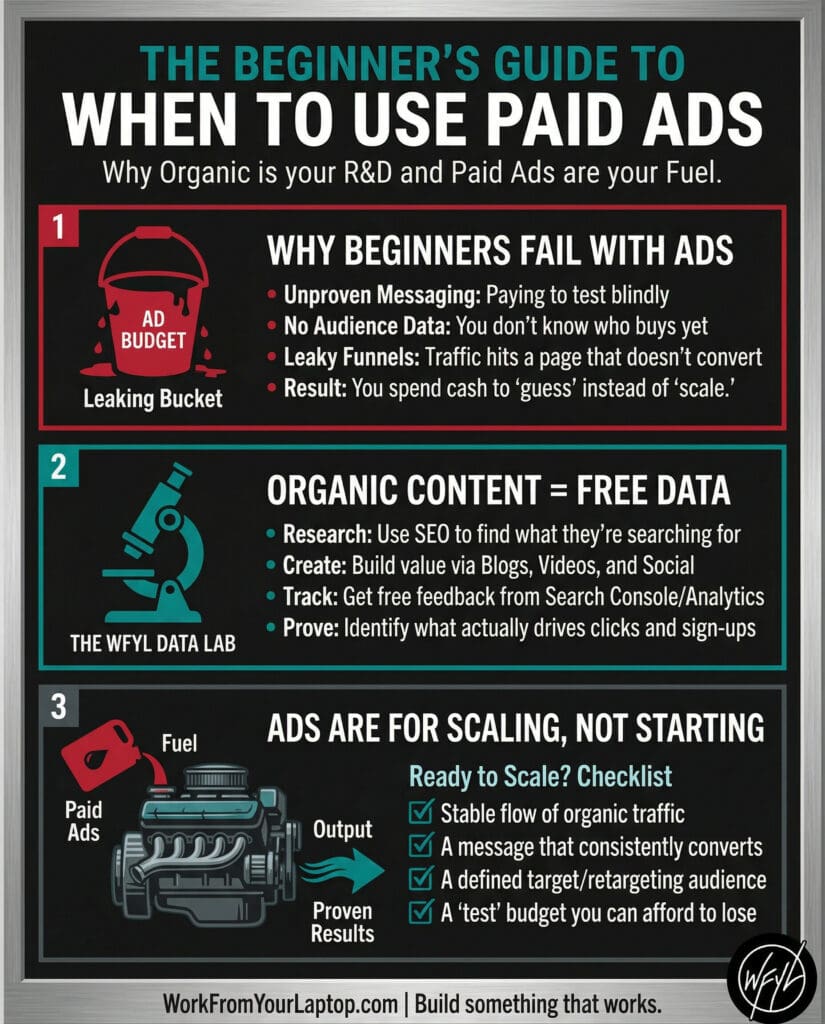
Why you should avoid paid ads as a beginner infographic WFYL

Frequently Asked Questions

Is it better to start with organic or paid traffic for affiliate marketing?
Organic traffic is the better starting point. It’s lower risk, builds long-term assets, and helps you learn what converts before you scale with ads.

What’s the risk of using paid ads as a beginner affiliate marketer?
You can easily waste money testing unproven offers, unclear messaging, or bad targeting. Without data, every ad is a guess.

How do I know when I’m ready to start using paid ads?
You’re ready when you’ve proven your funnel works, you understand your audience, and you’ve got organic results showing consistent conversions.


Want More Like This?


  • How to Drive Traffic to Your Affiliate LInks
    5 Smart Ways to Drive Traffic to Your Affiliate Links in 2026
  • Why Affiliate Marketing Isn't a Pyramid Scheme
    4 Reasons Why Affiliate Marketing Isn’t a Pyramid Scheme
  • Done For You Businesses Scam Legit
    Are Done For You Online Business Opportunities Legit? (2026 Update)
  • Online Coaching Business Scams Exposed
    11 Online Business Coaching Scams Exposed & How to Avoid Them (2026 Update)
  • Is Affiliate Marketing Still Worth It in 2026?
    Is Affiliate Marketing Still Worth It in 2026?
  • Why You Need to Stop Obsessing Over Analytics
    Why You Need to Stop Obsessing Over Analytics!
Written by Eric Cantu · Categorized: Affiliate Marketing Strategies

Nov 15 2025

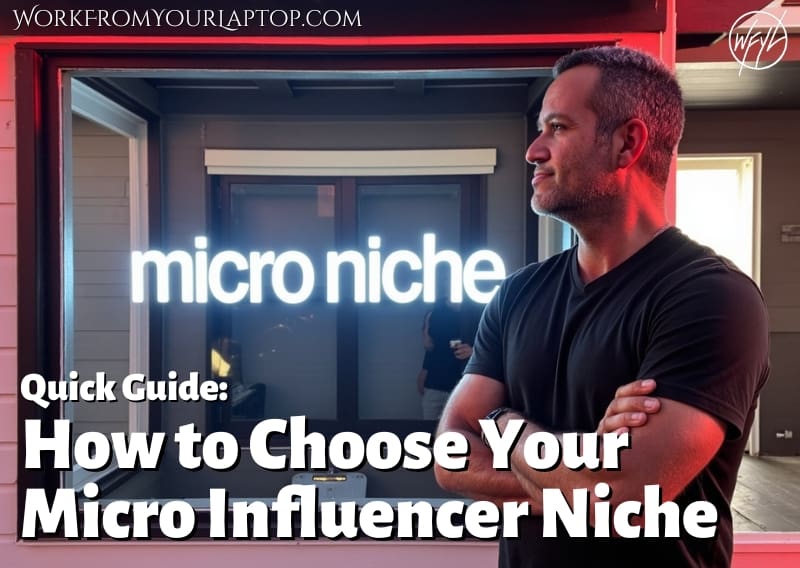
How to Choose Your Niche as a Micro Influencer

how to choose your niche as a micro influencer

Finding your niche as a micro-influencer doesn’t have to be complicated. It’s not about finding some untapped goldmine, it’s actually way easier than you think when you simplify your approach. Let’s break it down in an easy, straightforward way so you can find what fits you best and start finding that traffic your content deserves.

TL;DR: How Do You Pick your Niche as a Micro-Influencer?

Choose a topic that matches what you love, what you know, and what people care about. The best niche feels natural, fun, and has some space to grow and scale.

  • Know yourself: List your hobbies, interests, and what you enjoy sharing.
  • Understand your audience: Find the pain points they need help with.
  • Check interest: Make sure people search for or talk about your topic.
  • Try things out: Post a few topics and see what clicks.
  • Stay real: Pick something you’ll enjoy long-term.
🔍 Have ChatGPT Summarize This Article

What’s In This Article? (Quick Jumps)

  • Why Picking a Niche Matters
  • Step 1: Learn About Yourself
  • Step 2: Learn About Your Audience
  • Step 3: Check What’s Popular
  • Step 4: Test a Few Ideas
  • Step 5: Keep It Flexible
  • Final Thoughts
  • Frequently Asked Questions

Why Picking a Niche Matters

I don’t want to overstate this, but your niche matters. And it’s not about finding that untapped goldmine you’re thinking of. Think of your niche as your main identity as a micro-influencer. It tells people what your page is all about and helps them know what kind of posts to expect from you.

Without it, your content can feel random, and there would be no real reason to follow you. Remember, everyone and their mom can already get all the random things they want from Amazon.

You need to be a specialist!

Having a clear, specific niche makes it easier to grow and show that you have authority on the subject. It also helps brands trust that you know your audience and their pain points. It’s also easier for algorithms to recommend your content when your topic is tight and defined.

Related article: See why being a micro-influencer is ultra profitable right now in my article “How to Win as a Micro Influencer”


Step 1: Learn About Yourself

Start by thinking about what you like and what you’re good at. Write down:

  • Topics you love to talk about
  • Hobbies or things you’re good at
  • Causes you care about
  • Stuff people ask your advice on

Once you start creating this list you’ll find that your niche almost chooses you, not the other way around. Choosing a niche you have an actual interest in puts you smack dab in the middle of your target audience. This is HUGE!

If you’re excited about something, your audience will feel it too. Also, think about your style. Will your content be funny, calm, or serious? How you share your message matters as much as what you talk about.


Step 2: Learn About Your Audience

Even if your audience is small, it’s important to know them. Ask yourself:

  • What do they want to learn or fix?
  • What type of posts do they like?
  • Where do they hang out? TikTok, YouTube, Instagram Facebook, X?

This is basically how you’re going to reverse engineer your content. When you know what your audience is making searches for you can create content that is the answer to those searches.

Look at some of the other creators in your space and see which posts get lots of likes or comments. And no, this isn’t stealing. This is just taking a look at the competition and seeing what works. When your topic is one that helps people find the answers they’re looking for and it feels real to you, you know you’ve found something good.

Related article: Check out my article “How to Dominate Social Media” and take full advantage of where your audience hangs out the most!


Step 3: Check What’s Popular

So, while popularity isn’t the *first* criteria to go after when choosing your niche, it’s still important to know your niche has an interest, or else who’s going to make the all important searches, right?

Search your ideas on Google or on apps like Instagram. Are people talking about it? This is a good thing. But remember it’s important to not have too much competition. If you find there are a ton of content creators with massive followings posting those same topics, that’s a sign to get more specific.

Once you’ve narrowed down a few ideas, use a free tool like Google Trends to compare search interest and see which niches are gaining traction.

Now, let’s talk examples. So let’s say you have a passion for exercise and fitness. You make a search on instagram and see literally thousands of people posting workouts, getting massive views, etc. You go to Google and see website after website pushing healthy, active lifestyles.

But how would you stand out with such a broad niche? Here’s where you go tighter and more specific. Instead of “fitness,” try “home workouts for students.” The smaller, tighter niches can make it easier to stand out and are much, much easier to get conversions with.

When your audience is making a specific search and find your content that revolves around that specific search you instantly get seen as an authority on the subject.

Related articles: Check out my guides on Why Most 9-5ers Fail at Affiliate Marketing and Best Affiliate Programs for Beginners and keep your momentum going!

Work From Your Laptop YouTube Subscribe

Step 4: Test a Few Ideas

You don’t have to pick just one right away. Try 2 or 3 ideas and see which one feels best. Notice what people like, what gets comments, and what you actually enjoy posting about.

Social media is a great sandbox for this. Use analytics to track which posts get more likes, shares, or saves. This can help you learn which topics your audience connects with most. Once something clicks, focus there and keep posting about it with some consistency.

Give each niche idea enough time to test it properly, maybe a few weeks or even a month. There’s no need to rush things. It’s better to experiment early, gather data, and see what’s working instead of spending months creating content that doesn’t fit you or your audience.


Step 5: Keep It Flexible

Your niche can change as you grow. Many big influencers started in one area and later added more topics or slightly adjusted their focus as their interests evolved. 

For example, someone who began as a travel vlogger might move into lifestyle, productivity, or even business coaching once their audience expands.

Just remember you can’t be everything to everyone. Even Amazon started with just books, right?

Change and natural scaling can even help keep your content fresh and exciting. Just make sure your new ideas still make sense for your audience and connect back to what they originally came for.

Give small hints or transitions so followers can grow with you instead of feeling left behind. The best niche grows with you and stays flexible and relevant enough to support your long-term goals and creativity.


Final Thoughts

Choosing a niche isn’t about being perfect. It’s about trying things, learning what works, and building from there. The more you experiment, the faster you’ll find your rhythm. 

What do you think? Have you chosen your niche yet, or are you still looking? Share your ideas in the comments! What’s one topic you’re thinking of starting with?

Trying to make money online and still not seeing results? Create your FREE STARTER ACCOUNT with the same straightforward training I’ve used to create full time revenue online. No matter your experience, this step by step training delivers! Click here and get started NOW!


Frequently Asked Questions

What is a niche?
A niche is your main topic or theme online. It’s what your posts are mostly about and helps people know what to expect from you.

Can I have more than one niche?
Yes! You can test a few and pick the one that feels best. Just try to keep your main focus clear.

How do I know if my niche can make money?
See if brands work with creators in that space or if there are products or services people buy related to it.


Want More Like This?


  • how to write an engaging blog post that keeps readers hooked
    How To Write Engaging Blog Posts That Keep Readers Hooked in 2026
  • Choosing the right blogging platform 2025
    Choosing The Right Blogging Platform in 2025
  • How to Start a Successful Blog Featured Image
    10 Simple Steps to Starting a Successful Blog
  • Common Beginner Blogging Mistakes
    16 Beginner Blogging Mistakes And How To Avoid Them
  • how to create a strong personal brand as a blogger
    How To Create A Strong Personal Brand As A Blogger
  • how to write a blog for affiliate marketing
    How To Write a Blog For Affiliate Marketing

Written by Eric Cantu · Categorized: Essential Reads, Affiliate Marketing Strategies

  • « Go to Previous Page
  • Page 1
  • Page 2
  • Page 3
  • Page 4
  • Page 5
  • Go to Next Page »
  • Home
  • Sign Up
  • Blog & Search
  • Privacy Policy
  • Affiliate Disclosure

Copyright © 2026 · Work From Your Laptop · Eric J. Cantu · All Rights Reserved