• Skip to main content
  • Home
  • Sign Up
  • Blog & Search
  • Privacy Policy
  • Affiliate Disclosure

WORK FROM YOUR LAPTOP

  • Start Here
    • Watch the Video Tutorial
    • FAQs
    • Start Your FREE TRAINING!
  • Blog
  • Meet Eric

Blogging and Copywriting

Jun 17 2026

How To Write Engaging Blog Posts That Keep Readers Hooked in 2026

how to write an engaging blog post that keeps readers hooked

Ever click on a blog post, you read one line, and you’re like “nope”? Yeah. Me too. And in 2026, your readers are doing that faster than ever. The good news? Keeping them hooked is a skill you can get better at, and I’m gonna show you exactly how it works.

How Do You Write a Blog Post That Keeps Readers Hooked?

You keep readers hooked by opening a curiosity gap in the first line, writing in a real human voice, breaking text into skimmable chunks, and giving your perspective so the post can’t be summed up by an AI. Hold attention and Google rewards you.

  • Win the first 5 seconds or lose the reader. Your opening line decides everything.
  • Voice is your moat. AI can copy facts. It can’t copy you.
  • Skimmers are the majority. Most folks scan first, so write for the scroll.
  • Open loops pull people forward. Tease what’s coming, then deliver.
  • Dwell time is the scoreboard. The longer they stay, the higher you rank.
🔍 Have ChatGPT Summarize This Article

What’s In This Article (Quick Jumps)

  • What Is an Engaging Blog Post?
  • Why Engaging Writing Matters Right Now
  • My Experience Learning to Hook Readers
  • The Core Strategy: How to Keep Readers Hooked
  • How to Snag the AI Overview Top Spot!
  • Your Next Steps
  • Final Thoughts
  • Frequently Asked Questions

What Is an Engaging Blog Post?

Let’s get this class started.

An engaging blog post is one that grabs your reader’s attention fast and holds it all the way to the end. This is done by:

  • pulling in the reader with a strong hook,
  • keeping them moving with a clear flow,
  • and it feels like a real person is talking to them, not a robot reading a list of facts.

And here’s the flip side to that coin. A boring post just answers a question. An engaging post makes you want the answer, then makes you enjoy getting it.

That difference is HUGE, both in terms of your reader’s user experience AND your content being popular or completely lost in the abyss of the internet. Let me show you why.


Why Engaging Writing Matters Right Now

Engaging, original writing is now what earns visibility. Google states that unique, compelling, genuinely useful content influences a site’s presence in AI search more than any other factor. As AI answers the basic questions, the human voice readers actually stay for is the durable advantage. Google’s official AI search guidance

In 2026, Google often answers the question before anyone clicks your link. This caused Google search traffic to publishers to decline dramatically in 2025.

Ouch. But trust me when I say the sky is NOT falling. Here’s the part that’s a lifesaver if you’re a blogger or content creator.

The AI Overview didn’t kill blogs. It performed a stress test. It exposed which posts were just dry facts a robot could repeat, and which ones had a real human worth reading. The dry-fact posts got swallowed. The ones with a voice? They’re still standing.

And don’t think the AI Overview spot is unattainable. You can absolutely get snagged into that spot. And when you do, your clicks are actually better clicks because the AI has already pre-qualified you as an authority. So if you can hook them, they stick around longer than ever.

Don’t worry, I’ll show you tips for snagging that AI Overview spot a little further down.

So let’s show you how to get some dwell time on your blog. Dwell time shows your readers are engaged and your content is relevant. Google loves this so it’s now more crucial than ever. The longer your readers stay, the louder you’re telling Google, “Hey, this post is the real deal.”


My Experience Learning to Hook Readers

It’s totally normal when you first start writing blogs to sound like a textbook. That’s definitely how I started. Oh wait, that’s because back in my day WE ACTUALLY WROTE OUR BLOGS!

Now you all have AI doing everything for you, but I digress. AI tools for content creation are must haves, but it’s an ABSOLUTE MUST to add the human element when writing content or you’re gonna be killed.

Don’t just pack as much info as possible into a post. And definitely don’t leave the pasted AI as-is if you’re using AI to help write some of your content.

Pro tip: When you’re reading your post before you hit publish (yes, you need to read your own stuff!), read your intro out loud. Is it boring? Does it even sound like you?. If it doesn’t it’s time to rewrite every word of it.

Every word.

Make it sound like you’re actually talking to a friend. Try opening with a question, tease what’s coming. This is called the hook. With a good hook, dwell time will climb and comments will start showing up. That one subtle change can flip the switch for your blog.

As a Fire Captain, when we do any training, you learn fast that nobody wants a lecture. Make it so you’re telling a story based on your own experiences and you have all their attention. People don’t connect with data. They connect with you. 

So that’s the message I need you to remember: you are the part of your blog that AI can’t copy. A robot can list ten tips, but it can’t tell your personal story or share your unique perspective. Lean into that, and you’ve got something no AI Overview can steal.


The Core Strategy: How to Keep Readers Hooked

Keeping readers hooked relies on five moves: open with a curiosity gap, write in an authentic human voice, format for skimmers, use open loops to maintain momentum, and close with interaction. Together these maximize dwell time and produce content AI engines cannot replicate.

Alright, this is the meat of the article. Let’s go step by step.

Step 1: Win the First 5 Seconds

Your first couple of lines do 90% of the work. Mess it up and the rest doesn’t matter.

The trick is something called the curiosity gap. Our brains are hardwired to look for closure when presented with incomplete information. Create an open loop, and the brain registers it as a problem that needs solving. It’s like an itch in your brain that can only be scratched if it keeps reading.

So open with a small mystery, a bold claim, or a question or something completely relatable. You need a tease that promises a payoff.

A few first lines that work:

  • “Quick confession: I once did X, and here’s what happened.”
  • “Here’s the part no one tells you about…”
  • “You’re doing this wrong. Here’s why.”

Pro Tip: With your intro, get right to the point. Start on the most interesting sentence you’ve got. Don’t start telling a story. Remember, you have 5 seconds to win!

Step 2: Write Like a Real Human

This is your superpower in 2026. AI writes the safe, average version of everything. Don’t mute your perspective by just pasting AI content as-is.

I’m an expert trainer inside Wealthy Affiliate. One of my pet peeves is when new members starting writing to their WA blogs (which are supposed to read like progress reports or journal entries) with nothing but pasted AI slop.

When you write about a topic from genuine personal experience, with your own voice, and with positions not everyone will agree with, you create something an AI Overview can’t extract the value from without linking directly to you. Your perspective is the content.

So use contractions, short sentences, and the word “I.” Share your real opinions. Tell your stories. Take a stand. If a popular tip is garbage, say so. That’s the stuff a robot can’t fake.

Step 3: Format for Skimmers

Here’s a stat you might not be ready for. Readers only read around 20% of your content. Think about it. When you arrived here did you read every single word on the screen? Or did you start skimming and grazing?

We need to make our content skimmable that way our readers can quickly find and dive into the section of our content that holds the answer they’re looking for. And since we don’t know where they’re going to dive, we need to make every section valuable!

Here’s how to make a post skimmable:

  • Keep paragraphs short. Two or three lines, max.
  • Use bold to highlight key points so skimmers catch them.
  • Break sections with clear H2 and H3 headers that work like signposts.
  • Lean on bullet lists to chunk info fast.

This isn’t just pretty. It works. White space keeps readers moving..

Pro Tip: Most people forget to check their post on a phone. Pull it up on mobile before publishing. If you see a giant gray text wall, chop it up. That’s where readers bail.

Step 4: Use Open Loops to Keep Momentum

A hook gets them in. Open loops keep them moving. Tease what’s coming next so they won’t stop.

By raising questions and delaying complete information, you create momentum that pulls the reader through your writing. Add a little tension. Don’t be boring!

At the end of a section, drop a little breadcrumb like:

  • “But there’s one mistake that ruins all of this. More on that in a sec.”
  • “That worked… until it didn’t. Here’s what changed.”

The second you read that your brain picked up on the teaser I had earlier in this post didn’t it? I teased about how I was going to teach you how to snag the AI Overview spot. That tease acts like a tiny promise. Keep making them, keep keeping them, and readers glide all the way to the bottom.

Step 5: Turn Readers Into a Conversation

The post shouldn’t end when the reader finishes. The best blogs feel like a two-way street.

So end with an open-ended question that invites your readers to leave real answers. Don’t just end with “Thoughts?” Ask something specific they’ll actually want to weigh in on. Then reply to every comment you get. When people feel heard, they come back, and they bring friends.

This matters more than ever, because in 2026 the smartest bloggers are building direct relationships with their readers. They’re building email lists, communities, and bookmarks. A comment section is where that loyalty starts.

Pro Tip: If you can, break the ice by commenting first and then pinning that comment. I do this all the time on YouTube, and you know what? I’m gonna find a way to do it on this website too. Readers are way more likely to reply when they see the host already in the room.

Work From Your Laptop YouTube Subscribe

How to Snag the AI Overview Top Spot!

You earn AI Overview visibility by creating unique, first-hand content that goes beyond common knowledge, organizing it with clear headings and sections, and meeting Google’s technical requirements so the page is indexed and snippet-eligible. Google confirms there are no special tricks, just strong, people-first SEO is the path. Google’s official AI search guidance

Now for the resolution to the tease I promised at the top. See how I did that?

Here’s the good news before we even start: if you’ve followed the rest of this guide, you’re already halfway there. The stuff that keeps a human reading is the exact same stuff that gets you cited. Clear answers. Real structure. And sources you can trust.

Google’s been very clear about this: There are no special optimizations required to appear in AI Overviews. The strong fundamentals we’ve covered still matter the most, so your best advantage is making those fundamentals easier for AI to understand..

So just write naturally and make it easy to read. Here are the three moves that get you there.

Answer the Question First, Then Explain

Open your main, key sections with a short, direct answer, then elaborate. Don’t make the reader (or the AI) dig for it. Give the payoff up front, right away, then elaborate.

I do this with my TL;DR box up top and my “direct answer blocks” that start key sections. Our human eyes are drawn to it, and the AI just happens to love it too.

Back It Up With Real, Named Stats

AI engines don’t want your opinion floating in space. They want claims they can trust. A vague “studies show people like short posts” does nothing. “A 2008 Nielsen Norman Group study found readers consume about 20% of a page” has way more punch and gives the engine something solid to stand on.

Pro Tip: Name your source right in the sentence. It builds trust with readers and gives the AI a reason to cite you over the next page.

Structure It So AI Can Follow

AI reads your post by its structure, meaning the headings are very important. And it lifts your content in standalone pieces. So two things.

  • Use clear H2s and H3s that map your post like a table of contents.
  • And write each section so it stands on its own, with no “as I mentioned” or “building on our previous point” , etc.. If a chunk can’t be pulled cleanly, it won’t get pulled at all.

Your Next Steps

Here’s what I want you to do today. Open your most popular old post and read just the first one or two sentences. Be honest. Does it hook you?

If it doesn’t right away, rewrite it with a curiosity gap. Open a loop. Make a promise. That one tweak can be the make or break move that gets your reader to stay for the rest!

Then scroll through that same post on your phone. How does it feel? Too busy? Is the content able to breathe? Do you have any walls of text? If so, break them up into short paragraphs and add a couple of headers.

Last, check the ending. Is there a real question waiting for the reader? Does it nudge them to chime in? If not, add one. Then watch your comments and your dwell time over the next couple weeks.

Here’s the a-ha I want you to walk away with: You don’t need to be a better writer to win in 2026. You just need to be a better host as your readers are welcomed into your website. Hook them at the door, keep them comfortable, give them something only you can give, and invite them to stay and chat.

Do that, and the rankings and traffic follow. Every single time.


Final Thoughts

Today, go fix the first line of one post. Open a curiosity gap, sound like a real human, and tease what’s next. That one change does more for engagement than anything else you’ll do this week.

What do you think? What’s the one piece of advice in this article that really stood out to you? Think back to blogs that have made you read every word. What did the writer do to pull that off? And be honest, is your own intro hooking people or scaring them off?

Drop your experiences down in the comments. I read and reply to every single one.

Trying to make money online and still not seeing results? Create your FREE STARTER ACCOUNT with the same straightforward training I’ve used to create full time revenue online. No matter your experience, this step by step training delivers! Click here and get started NOW!


Frequently Asked Questions

How do you hook readers in the first sentence of a blog post? Open a curiosity gap. Lead with a bold claim, a question, or a small mystery that promises a payoff. This creates an open loop your reader’s brain feels compelled to close, pulling them deeper into the post instead of bouncing back to search.

Why do readers leave a blog post so quickly? Most readers leave because of slow warm-up intros, dense text walls, or a generic voice that feels AI-written. With only 27% of people reading thoroughly, weak formatting and no clear hook push skimmers away within seconds, tanking your dwell time.

How do I keep readers engaged all the way through a blog post? Use open loops between sections to tease what’s coming, write in a real human voice with short skimmable paragraphs, and close with a question that invites comments. These moves boost dwell time, the key engagement signal search and AI engines reward in 2026.


Want More On Blogging and Copywriting?

Check out these full guides! Don’t slow your momentum! Get after it! You got this!

  • how to write an engaging blog post that keeps readers hooked
    How To Write Engaging Blog Posts That Keep Readers Hooked in 2026
  • Choosing the right blogging platform 2025
    Choosing The Right Blogging Platform in 2025

  • How to Start a Successful Blog Featured Image
    10 Simple Steps to Starting a Successful Blog

  • Common Beginner Blogging Mistakes
    16 Beginner Blogging Mistakes And How To Avoid Them
  • how to create a strong personal brand as a blogger
    How To Create A Strong Personal Brand As A Blogger
  • how to write a blog for affiliate marketing
    How To Write a Blog For Affiliate Marketing

Written by Eric Cantu · Categorized: Blogging and Copywriting

Apr 25 2025

Choosing The Right Blogging Platform in 2025

Choosing the right blogging platform 2025

When it comes to starting your own blog, one of the most crucial decisions you’ll have to make is choosing the right blogging platform. In this post, I’ll explore some popular blogging platforms, discuss their features, and help you determine which one is perfect for you.

How do you choose the best blogging platform for your needs?

Choosing the best blogging platform depends on your goals, technical skills, design preferences, and budget. Compare features like flexibility, customization, ease of use, and SEO potential before deciding.

WordPress

WordPress is the most popular blogging platform in the world. It’s known for its flexibility, ease of use, and extensive customization options. Whether you’re a beginner or an experienced blogger, WordPress caters to all levels of expertise.

Additionally, WordPress offers a wide range of themes and plugins that allow you to create a unique and professional-looking blog without any coding skills.

Related article: Check out my 10 step guide to building a successful blog here!

Blogger

Blogger is a straightforward blogging platform owned by Google. It’s an excellent choice for beginners who want a simple and easy-to-use platform to share their thoughts and ideas.

While it may not have as many customization options as WordPress, Blogger is perfect for those looking to start a blog quickly without any hassle. Plus, it’s free to use and seamlessly integrates with other Google services.

Wix

Wix is a website builder that also offers blogging functionality. It’s known for its drag-and-drop interface, which makes it easy to create a stunning blog without any design skills.

Wix provides a variety of templates for you to choose from, and you can customize your blog to suit your preferences easily. While Wix is user-friendly and visually appealing, it may not offer the same level of flexibility as WordPress in terms of advanced customization.

Squarespace

Squarespace is a popular all-in-one platform that caters to bloggers, businesses, and creatives. It provides beautifully designed templates that are perfect for showcasing visual content.

Squarespace is ideal for bloggers who prioritize aesthetics and want a hassle-free blogging experience. However, if you’re looking for extensive customization options or blogging for SEO purposes, Squarespace may not be the best choice.

Medium

Medium is a unique platform that focuses on the storytelling aspect of blogging. It allows you to reach a broader audience and connect with readers from around the world.

Medium is known for its clean and distraction-free writing environment, making it perfect for writers who want to focus solely on their content. While Medium lacks some advanced blogging features, its simplicity and social aspect make it a compelling choice for many bloggers.

Ghost

Ghost is a minimalist blogging platform that is perfect for bloggers who prioritize speed and simplicity. It’s lightweight and fast, making it an excellent choice for those who want a no-nonsense blogging experience.

Ghost offers a clean and modern writing interface, along with features like SEO tools and membership options. If you’re looking for a straightforward platform that puts the focus on your content, Ghost might be the right choice for you.

Set yourself up for success!

Get a full beginner-friendly walkthrough on how to start your blog from scratch. Check out 10 Simple Steps to Launching a Successful Blog.

You can also check out these important factors to consider when choosing blog hosting providers. Visit this article from WPBeginner.

Trying to make money online and still not seeing results? Create your FREE STARTER ACCOUNT with the same straightforward training I’ve used to create full time revenue online. No matter your experience, this step by step training delivers! Click here and get started NOW!

Final Thoughts

Whether you opt for the flexibility of WordPress, the simplicity of Blogger, the visual appeal of Squarespace, or the speed of Ghost, each platform has its strengths. Take the time to see which is the best fit for your needs, test them out, and happy blogging!

Frequently Asked Questions

Is WordPress better than Wix for blogging?
WordPress offers more flexibility, advanced customization, and better SEO capabilities compared to Wix. Wix is easier for beginners, but WordPress is ideal for long-term blogging growth.

What is the easiest blogging platform for beginners?
Blogger is one of the easiest platforms for beginners due to its simplicity, free hosting, and seamless integration with Google services.

Can you switch blogging platforms later?
Yes, you can migrate your blog to a different platform, but it can involve technical challenges like URL changes, SEO disruptions, and formatting issues. It’s best to choose carefully upfront.

Still Hungry for Growth?
Dive Into These Handpicked Articles! ⬇️

  • how to write an engaging blog post that keeps readers hooked
    How To Write Engaging Blog Posts That Keep Readers Hooked in 2026
  • Choosing the right blogging platform 2025
    Choosing The Right Blogging Platform in 2025
  • How to Start a Successful Blog Featured Image
    10 Simple Steps to Starting a Successful Blog
  • Common Beginner Blogging Mistakes
    16 Beginner Blogging Mistakes And How To Avoid Them
  • how to create a strong personal brand as a blogger
    How To Create A Strong Personal Brand As A Blogger
  • how to write a blog for affiliate marketing
    How To Write a Blog For Affiliate Marketing
Written by Eric Cantu · Categorized: Blogging and Copywriting

Apr 25 2025

10 Simple Steps to Starting a Successful Blog

How to Start a Successful Blog Featured Image

So you want to start a blog, huh? As a firefighter who wanted to see this world, I knew there had to be an easier way to create another stream of revenue. In this post, I’m breaking it all down. Not just the steps, but the mindset you need so you don’t quit before you ever hit publish. Let’s talk about how to actually launch a blog that has a shot at becoming something great.

TL;DR How to Start a Successful Blog

To launch a successful blog, define your niche and audience, choose the right platform, create high-quality content, write with intent, promote consistently, track your progress, and stay patient while growing your presence.

  • Pick a niche that excites you:
    Blogging takes time, so choose a topic you won’t get tired of.
  • Get clear on your reader:
    Knowing exactly who you’re helping makes your content way more effective.
  • Stick to a consistent posting rhythm:
    Whether it’s once a week or twice a month, consistency builds trust and momentum.
  • Actively promote your content:
    Great blog posts don’t share themselves—use social, SEO, and email to spread the word.
  • Be patient and keep showing up:
    The early days are quiet for everyone. Growth comes from persistence.
🔍 Have ChatGPT Summarize This Article

Step 1: Start With What Actually Interests You

Forget what’s trending for a second. That’s not what’s going to get you to connect with your audience. If you’re not at least a little obsessed with your topic, this won’t last. Your niche should be something you could talk about for hours. Honestly, that’s kind of what blogging turns into.

Instead of thinking, “What niche makes the most money?” start with:

  • What do I enjoy sharing?
  • What do people ask me for help with?
  • Can I see myself writing 50 posts on this without going crazy?

If the answer is yes, you’re going in the right direction towards choosing your niche.

And don’t worry, we live in the era of AI. You’re going to let AI do the heavy lifting when it comes to content creation. That doesn’t mean pasting 100% AI content to your blog, it means finding that sweet spot in the middle where you still deliver your personal experience.

Related article: Check out my full guide on “AI vs Human Writers: Who Writes Better Content?” and learn how to find that balance!


Step 2: Know Who You’re Talking To

Your blog isn’t for everyone. And that’s a good thing. Remember, even Amazon started with just books!

The tighter you can define your target audience, the better your content will hit. Picture one person. What are they struggling with? What do they wish they had a shortcut for?

If you’re writing for “people who want to make money online,” narrow that to:
“stay-at-home moms looking to earn part-time income”, or
“college grads looking to freelance.”

Talk to them, focus on their pain points, not the whole internet.


Step 3: Map Out Your Content & Write With Intent

This doesn’t have to be some huge white board filled with ideas. Keep it simple.

  • Brainstorm 15–20 blog post ideas (You can EASILY use AI for this)
  • Pick a posting schedule you can actually keep up with (AI makes this so much more efficient)

And when it comes to writing, it’s not about keyword stuffing anymore. The order of the keywords in your title no longer holds any weight when it comes to SEO.

GEO has to be considered now too. Writing with intent and delivering the most value possible is where it’s at. And guess what, it’s actually EASIER.

As an expert trainer inside Wealthy Affiliate, one of the main tools in the platform is called Hubs. Right out of the box, once you’ve chosen your niche, your Hub creates 10 relevant categories for your content and 10 article topics for each category!

You can’t get a better start than that!


Step 4: Choose a Blogging Platform That Won’t Drive You Crazy

WordPress is the best long-term option if you’re serious. You get full control, you can grow with it, and it’s not nearly as scary as it looks at first (It’s actually very, very intuitive).

Avoid platforms that lock you in or limit your ability to rank (looking at you, Wix, Blogger, and Elementor). If the idea of building a website makes you want to throw your laptop, I’ve got a full walkthrough to make setup painless.

Inside Wealthy Affiliate I have a TON of WordPress training tutorials I call “WordPress Wisdoms“. I teach members all day every day on how to use the block editor and how to fully customize your site. The more you use it, the more comfortable you’ll be with it!


Wordpress Wisdoms Inside Wealthy Affiliate

Related article: Check out my platform comparison of WordPress vs Wix vs Blogger vs Elementor and find the right platform for your needs!


Step 5: Make It Look Like You Give a Damn

Aesthetics are important. People judge your blog in about 3 seconds. So if it looks like it was thrown together in 2009, guess what, they’re gonna bounce.

  • Use a clean theme. (Generate Press is my absolute go-to for anyone just starting off.)
  • Keep it simple, easy to navigate, and mobile friendly.
  • Pick 2–3 brand colors.
  • Create a solid brand logo and attention getting, relevant images for your content.

Do you like this fire helmet WFYL logo? I created it using Wealthy Affiliate’s brand new tool called Image Studio. It’s INSANELY good. It’s how I create all my imaging both here on this site and on YouTube, my socials, EVERYTHING!

Check out my full Wealthy Affiliate Image Studio review on YouTube here! Every content creator needs to have their hands on it!


Step 6: Create Content That’s Actually Helpful

Here’s the absolute truth that you need to remind yourself of EVERY SINGLE DAY: most blog content out there is completely forgettable.

If you want people to read and come back, your posts have to solve a problem, answer a question, or teach them something in a way that’s easy to follow.

I’m talking:

  • Step-by-step tutorials (like this one)
  • Personal experiences that show what really works
  • Resource roundups with actual value

Add images, screenshots, maybe even a video. Make it feel like a conversation, not a lecture.


Step 7: Tell People You Exist

This part makes a lot of people uncomfortable, but you have to promote your content. No one’s randomly Googling “Eric’s awesome blog post” on day one.

Share your content on your socials, drop helpful links in relevant groups or forums, start building an email list early (you’ll thank yourself later).

And hey, collaborations with other bloggers? Gold. Especially if you’re incorporate a platform like YouTube.

Check out my full guide on How to Dominate Social Media and get past your anxiety of being seen!


Step 8: Talk Back!

Engagement means everything to the algorithm. When Google sees people are commenting, this is you finding your success! So if someone comments, respond!

If someone asks a question, answer it!

This is how you build a community that means so much more than just a website. That interaction is what separates you from 95% of bloggers who post and ghost.

Give your audience the chance to be loyal to you!


Step 9: Track What’s Working and Trash What Isn’t

Ok, understand one thing first. You cannot let yourself get obsessed with analytics. Paralysis by analysis is the ENEMY of productivity, and you need productivity to make your blog work.

So don’t get lost in metrics, but do keep an eye on:

  • Which posts get the most traffic
  • Where your readers are coming from
  • What they’re clicking on

Google Analytics and Search Console are your friends here. And even if you’re not really an analytics guy or gal (I’m not), this is how you’re going to be able to double down on what works! Use that data to make smarter decisions as you grow.


Step 10: Stay Consistent, Even When It Feels Like No One’s Watching

Blogging success isn’t explosive. It’s a slow grind that builds momentum if you stick with it.

Expect your first 10 posts to feel like they’re going into the void. That’s normal. Most people quit during that stage. You won’t.

Don’t freak out if even your first THIRTY posts feel like no one is watching and you have zero traffic. I’m telling you your consistency will pay off. I run members inside Wealthy Affiliate through a training called the “0-10k Traffic Blueprint”. If you’re serious about online business, click here and check out the details.

Keep showing up. Keep improving. That’s how blogs go from zero to something worth bragging about. Put in that work when no one’s watching and you’ll see the results months later, trust me on this.


Final Thoughts

If you’re still reading, I know you’ve got this in you. Starting a blog is exciting, sure, but building one that actually goes somewhere takes grit. If you follow these steps and stick with it, you’re already ahead of 99% of people who say they want to blog but never do.

What do you think? What steps have been hurdles for you in the past? Have any steps you’d like to add? Let me know in the comments below! I love hearing your perspective and I always respond!

Want help along the way? This is literally what I do. Check out my top recommendation below if you’re looking to monetize and grow faster, with guidance.

Trying to make money online and still not seeing results? Create your FREE STARTER ACCOUNT with the same straightforward training I’ve used to create full time revenue online. No matter your experience, this step by step training delivers! Click here and get started NOW!


Frequently Asked Questions

What niche should I choose for my blog?
Start with what you’re genuinely interested in. It should be something you can talk about endlessly and that aligns with a specific audience’s needs.

How often should I publish new blog posts?
Once a week is a great starting point. The key is consistency. Don’t burn out trying to do too much too fast.

How can I promote my blog to grow faster?
Social media, email lists, SEO, and collaborations. But above all, keep creating content that helps real people. Word of mouth starts with value.

Still Hungry for Growth?
Dive Into These Handpicked Articles! ⬇️

  • how to write an engaging blog post that keeps readers hooked
    How To Write Engaging Blog Posts That Keep Readers Hooked in 2026
  • Choosing the right blogging platform 2025
    Choosing The Right Blogging Platform in 2025
  • How to Start a Successful Blog Featured Image
    10 Simple Steps to Starting a Successful Blog
  • Common Beginner Blogging Mistakes
    16 Beginner Blogging Mistakes And How To Avoid Them
  • how to create a strong personal brand as a blogger
    How To Create A Strong Personal Brand As A Blogger
  • how to write a blog for affiliate marketing
    How To Write a Blog For Affiliate Marketing

Written by Eric Cantu · Categorized: Essential Reads, Blogging and Copywriting

Feb 20 2024

16 Beginner Blogging Mistakes And How To Avoid Them

Common Beginner Blogging Mistakes

From bad content strategies to overlooking your audience, blogging for a beginner can be tricky to navigate. As I walk you through these common beginner blogging mistakes, I’ll show you all the ways to sidestep them to pave the way for a successful blog.

What Are Common Beginner Blogging Mistakes to Avoid?

Common beginner blogging mistakes include focusing too much on quantity over quality, neglecting SEO basics, not understanding your audience, and overlooking the importance of a unique voice and engagement.

Navigating Content Creation Pitfalls

You’re putting words on the screen, and hoping they connect with someone out there, right? But here’s the thing, building a quality blog is way more than slapping together a few paragraphs and calling it a day. Let’s highlight the common blogger mistakes to avoid.

Quality is king!: The big no-no: low-quality or duplicate content. I get it, the internet is huge, and it feels like everything’s already been said. But regurgitating old content won’t do you any favors. Google is really smart, so don’t just rehash what’s out there. Add your own perspective, your own experiences, and fresh data to make your content stand out.

Follow your passion: As a beginner blogger you might be scratching your head, “How do I make my content unique and valuable?” Here’s a pro tip: dive into topics you’re passionate about or have experience in. Let that experience shine. It’s ok to write content about stuff you’re still learning. Just do that research and back it with facts so your readers trust what you’re saying.

Always verify: Getting your facts straight is more than just a good practice—it’s the heart of a successful blog. Verify all your information and don’t shy away from going the extra mile to add some depth to your articles. Your readers will notice and appreciate the effort. Using an AI writer for your content? Smart! But definitely make sure the AI’s facts are on point!

Set yourself up for success!

If you’re just getting started, you’ll also love this complete beginner guide to launching your blog the right way.

Engagement is Everything!

Reader engagement can make or break your blog’s success. It’s not just about getting eyes on your page, it’s about keeping those eyes glued there and turning first-time visitors into regular readers.

Grab their attention fast: Your titles, headlines, and intros need to pack a punch. But don’t just go for the click either. You need to deliver. Think of your headline as a promise and your content as the fulfillment of that promise.

Your audience loves multimedia: The great thing about blogging is it’s easy to inject personality and depth by including multimedia elements and interactive content. Photos, YouTube videos, and infographics not only add visual appeal but can also visually explain complex topics more effectively.

Find your balance: Your blog isn’t just competing with other blogs but also with social media feeds and a million other distractions. So write content that reaches out and connects with your audience. Use relatable storytelling, vulnerability, and make yourself real.

Trust your analytics: Use analytics to learn what works and double down on it. Don’t focus too much on perfection, it’s the value that your readers are after.

Have a conversation: Google and its algorithm updates can change the game overnight and what ranked yesterday isn’t ranking today. But don’t chase SEO tricks and forget the reason for your content. Stay true to a natural, conversational tone and serve your reader first.

Building Your Authority and Gaining Trust

Your authority is built every time a reader in agreement to the points you’re making or references your articles in a discussion. As a blogger, you need to make this the trend and not the exception!

Do your readers know who you are?: You have to make sure your readers know who’s behind the content. Don’t hide; shine! What’s your About Me page look like? You have one right? Share who you are, your experience, build your brand, and show why you’re passionate about your blog. This transparency doesn’t just add a layer of trust; it creates a bond with your audience.

Data doesn’t lie: Every claim you make, back it up with data, studies, or articles from reputable sources. When you support your content with evidence, readers won’t just take your word for it – they can see the trail of trust you’ve built with solid references.

Build your community: Nurturing a community around your blog can do wonders. Encourage comments, respond to feedback, and engage in social media conversations. A strong community doesn’t just come together out of nowhere, it grows from the seeds of trust you plant and with every interaction.

And how do you know what’s working? That’s where analytics come in to offer their insights.

Checking Your Analytics and Doubling Down on What Works

You can’t just ignore the data that analytics offer. Your blog is a dynamic element that interacts with visitors every day, and each of those interactions tells a story you want to pay attention to.

The right metrics: By analyzing how readers engage with your posts—looking at metrics like page views, time on page, and bounce rate—you’re going to find out what works and what doesn’t. This isn’t just about the numbers; it’s about the behavior behind those numbers.

One step at a time: Making sense of analytics can feel overwhelming at first, I get it. I’m not really an analytics guy myself. But remember that you don’t have to master analytics all at once. Start with a few key performance indicators (KPIs) and go from there.

What topics are working?: Go beyond the surface and see what specific pieces of content are driving your traffic. Are there specific topics that are connecting with your audience? Maybe there’s a particular style or tone that’s hitting the mark? Double down on this!

Listen to your feedback: Comments, emails, and social media engagement—all of these provide human context to the data. Listen to it! Balancing the technical with the human element makes sure you’re actually delivering content that grows with its audience.

Always be ready to adapt: Keep in mind that the digital environment is always changing, and so are best practices for creating and managing content. Stay in tune with the latest tools, regularly brush up on your skills, stay informed about SEO trends, and don’t forget to listen to your audience. They’re the whole reason you’re doing this.

But please take note: do NOT get obsessed with your analytics! If you’re obsessing over analytics that time is much better spent working on content!

Trying to make money online and still not seeing results? Create your FREE STARTER ACCOUNT with the same straightforward training I’ve used to create full time revenue online. No matter your experience, this step by step training delivers! Click here and get started NOW!

Final Thoughts

Remember that blogging is a journey filled with learning curves. Avoid common pitfalls by focusing on quality content, understanding your audience, embracing SEO, and nurturing a unique voice. Stay engaged, keep evolving, and watch your blog reach heights you never expected!

What do you think? Have you made some of the common blogging mistakes I’ve listed? Have any you’d like to add to the list? What hurdles have you had trouble overcoming with starting a successful blog? Let me know in the comments section below!

Frequently Asked Questions

What makes a blog successful in 2025?
Successful blogs prioritize helpful, people-first content built on real experience and expertise. Trust, authenticity, and SEO-friendly value are the pillars of growth and visibility.

Why is unique content critical for blogging success?
In a sea of sameness, unique and valuable content is what sets your blog apart. It builds authority, earns backlinks, and keeps readers coming back for more.

How can I increase engagement on my blog?
Boost engagement with clear headlines, relatable tone, multimedia elements, and calls to action that encourage comments, shares, and repeat visits.

Still Hungry for Growth?
Dive Into These Handpicked Articles! ⬇️

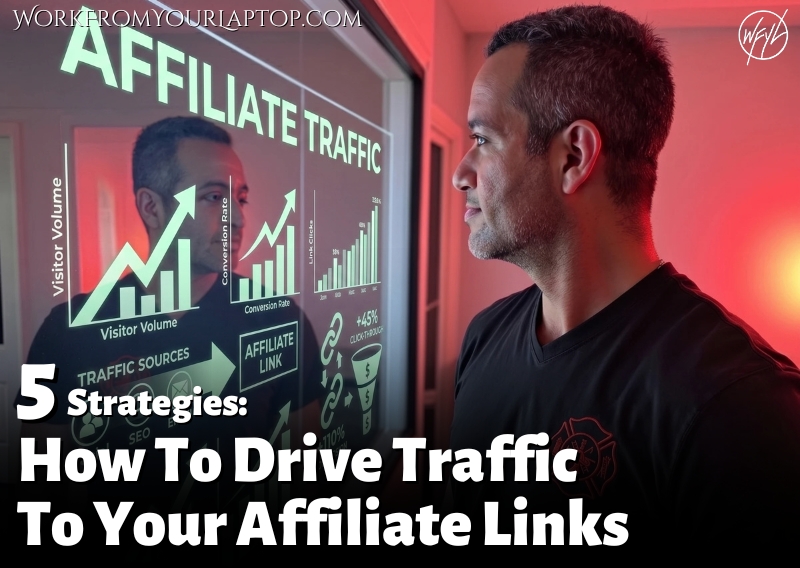
  • How to Drive Traffic to Your Affiliate LInks
    5 Smart Ways to Drive Traffic to Your Affiliate Links in 2026
  • Why Affiliate Marketing Isn't a Pyramid Scheme
    4 Reasons Why Affiliate Marketing Isn’t a Pyramid Scheme
  • how to write an engaging blog post that keeps readers hooked
    How To Write Engaging Blog Posts That Keep Readers Hooked in 2026
  • Done For You Businesses Scam Legit
    Are Done For You Online Business Opportunities Legit? (2026 Update)
  • Online Coaching Business Scams Exposed
    11 Online Business Coaching Scams Exposed & How to Avoid Them (2026 Update)
  • Is Affiliate Marketing Still Worth It in 2026?
    Is Affiliate Marketing Still Worth It in 2026?

Written by Eric Cantu · Categorized: Blogging and Copywriting

Feb 12 2024

How To Create A Strong Personal Brand As A Blogger

how to create a strong personal brand as a blogger

To build your blog into a real business, it’s more than just the words on the screen. Let’s take a look at how to create a strong personal brand as a blogger than your audience will connect with.

How Do I Create a Strong Personal Brand as a Blogger?

To create a strong personal brand as a blogger, focus on authenticity, define your niche, consistently showcase your expertise, and engage actively on multimedia and social platforms.

Why Personal Branding is Non-Negotiable

Personal branding in blogging is all about differentiating yourself as more than just another content creator. You want to be the first name that pops into someone’s head when they think about your niche, and that’s powerful.

Not just about the clicks and follows: Think way past just growing your audience. I’m talking about building sustainable, long-term success. That’s where blogging intertwines with personal branding. When your name becomes synonymous with quality, reliability, authority, and value people not only come back, but they trust you. They recommend you.

Follow the E-E-A-T principles: Take on the principles of Experience, Expertise, Authoritativeness, and Trust (E-E-A-T) as your road map. These principles not only boost your SEO but also make your content interesting and strengthen your personal brand.

Now, with the fundamentals of branding in your arsenal, your next move is defining your blogging niche and understanding your audience.

Defining Your Blogging Niche and Knowing Your Audience

If you want to stand out as a blogger, it all starts with your niche. A well-defined niche not only carves out a space just for you but also signals to search engines and readers what you’re all about.

Follow your passion: Start by analyzing what you’re passionate about and where your expertise lies. You don’t even need to be an “expert”, just be passionate about what you’re covering. Choosing a niche based on your passion places you right in the middle of your own target audience and makes you instantly relatable and the best suited for understanding their pain points.

Understanding demographics: Take a deep dive into your audience’s behaviors, preferences, and challenges. Create content that not only informs but also connects and empathizes. Knowing your audience’s pain points allows you to tailor your content to offer solutions. This is what it’s all about!

What makes you different?: Are you going to provide actionable tips, share personal stories, offer a new perspective on an old topic, or break complex subjects down into simple and easy to understand discussions? Whatever it is, it should be clear to anyone who stumbles upon your blog what your personal brand is.

Developing Your Blogging Voice and Style

create a strong personal brand as a blogger

Your blogging voice and style is critical to your personal brand. It isn’t just about the words you choose, it’s about creating an identity that your readers will come to recognize and trust.

Related article: Check out my 10 step guide to building a successful blog here!

Develop a distinctive voice: This is your secret weapon for connecting with your audience. People aren’t just looking for information, they’re looking for that voice of authority they can return to again. They want to relate to something, so choose something that resonates with you, be it a conversational tone, a touch of humor, or deep-dive analysis.

Be consistent!: You’re aiming to be the familiar face in a crowded room that your readers can immediately recognize. Every post you write should reflect a piece of your identity. Consistency in your style brings reliability, makes your audience feel secure, allows them to know what to expect and it builds trust.

Keep your balance: Balance authenticity with professionalism. Bring your personality and life experiences into your content, but always keep it polished and relevant. Show expertise without jargon, and engage readers with stories while delivering the valuable insights the come back for.

Now, let’s talk about how multimedia and social media can amplify your personal brand, extend your reach, and strengthen your connection with your audience.

Get started on the right foot!

One of the foundational steps of blogging is choosing the right platform. Check out my article on choosing the right blogging platform and set yourself up for success!

Leveraging Multimedia and Social Media for Brand Amplification

Multimedia elements like videos, podcasts, and infographics can take your blogging to a whole new level. They’re not just add-ons, they’re powerful tools to deliver your message in ways that appeal to a wider audience.

Choosing the right platforms: Matching your content and style with the right platform is half the battle when it comes to sharing content to social media. Whether it’s Instagram for visuals, Twitter for quick updates, or LinkedIn for professional networking, each platform has its unique benefits.

Build that engagement: One of the first metrics you can see that shows your content is connecting with your audience is in the engagement. By creating a space where your readers not only interact with you, but also with each other, you develop a real connection to your brand. It’ll feel like an exclusive club they’re in, and when you post new content that’s hyper relevant to their needs, they’ll be quick to chime in,

Your audience loves video!: YouTube instantly gives a face and voice to your writing. Create a YouTube channel and you are your brand. Your audience instantly connects with your communication style, your humor, and the value you deliver. Text on a screen is one thing, but video can really bring home the relatability to your brand and your audience will grow exponentially.

Saving face: Not yet ready to be the “face” of your brand? Why not try out a podcast? Podcasts are extremely popular and can be listened to in any setting by your audience. Whether they’re sitting in traffic, on the subway, or on a lunch break, you’re just a pair of air pods away from connecting your brand to their ears,

More than just graphics: Infographics are not only a great way to deliver content, but they lend themselves instantly to your branding. Put together a great infographic that delivers high value, slap your logo on it, maybe your url as well, and watch it get shared across Pinterest and other social media platforms like wildfire.

Measuring Success and Making Strategic Adjustments

With every strategy you try out, you have to understand what’s working and what’s not. It’s not just about checking whether your follower count went up, it’s about understanding if your personal brand is connecting with your audience and leading to increased engagement, potential collaboration opportunities, and, of course, revenue growth.

Key Performance Indicators (KPI): You’ve got to define your clear key performance indicators, including metrics like website traffic, social media engagement, email list growth, and the quality of interactions you’re seeing. Only by keeping an eye on these indicators can you get a real feel for the impact your personal branding efforts are having.

Adjust and adapt: Your first attempt doesn’t need to be your last. If some strategies fall flat and don’t bring the results you’d hoped for, it’s ok! This is how business works and you can always adjust your approach down the road. The world of blogging is forever changing, and so can your brand.

Keeping up with the trends: Keep up-to-date with the latest blogging trends and audience preferences. This may involve taking a new course, trying out a different content format, or even rethinking your branding strategy. And if you do find yourself needing to pivot, view it as an opportunity and not a setback.

Trying to make money online and still not seeing results? Create your FREE STARTER ACCOUNT with the same straightforward training I’ve used to create full time revenue online. No matter your experience, this step by step training delivers! Click here and get started NOW!

Final Thoughts

Carving out your unique space in the blogging world is all about being real, creative, and ready to adapt. It’s about making your voice a familiar, trusted friend online, and when you do so, both you and your audience reap the benefits.

How do you feel? Have you been able to build your personal brand with your blog? What issues have you had in the past or still having? Let me know in the comments section below! I’d love to hear what you have to say and I always respond!

Frequently Asked Questions

Why is personal branding important for bloggers?
Personal branding sets you apart in a crowded niche. It builds trust, helps you connect with your audience, and positions you as a recognizable authority in your space.

How can I define my blogging niche and ideal audience?
Start with what excites you. Then narrow it down by identifying the specific needs, problems, and interests of your target audience that align with your expertise and passion.

What metrics should I track to measure my personal brand’s success?
Track website traffic, social media engagement, email sign-ups, and the quality of audience interactions. These show how well your personal brand resonates and grows over time.

Still Hungry for Growth?
Dive Into These Handpicked Articles! ⬇️

  • how to write an engaging blog post that keeps readers hooked
    How To Write Engaging Blog Posts That Keep Readers Hooked in 2026
  • Choosing the right blogging platform 2025
    Choosing The Right Blogging Platform in 2025
  • How to Start a Successful Blog Featured Image
    10 Simple Steps to Starting a Successful Blog
  • Common Beginner Blogging Mistakes
    16 Beginner Blogging Mistakes And How To Avoid Them
  • how to create a strong personal brand as a blogger
    How To Create A Strong Personal Brand As A Blogger
  • how to write a blog for affiliate marketing
    How To Write a Blog For Affiliate Marketing
Written by Eric Cantu · Categorized: Blogging and Copywriting

  • Page 1
  • Page 2
  • Page 3
  • Go to Next Page »
  • Home
  • Sign Up
  • Blog & Search
  • Privacy Policy
  • Affiliate Disclosure

Copyright © 2026 · Work From Your Laptop · Eric J. Cantu · All Rights Reserved